

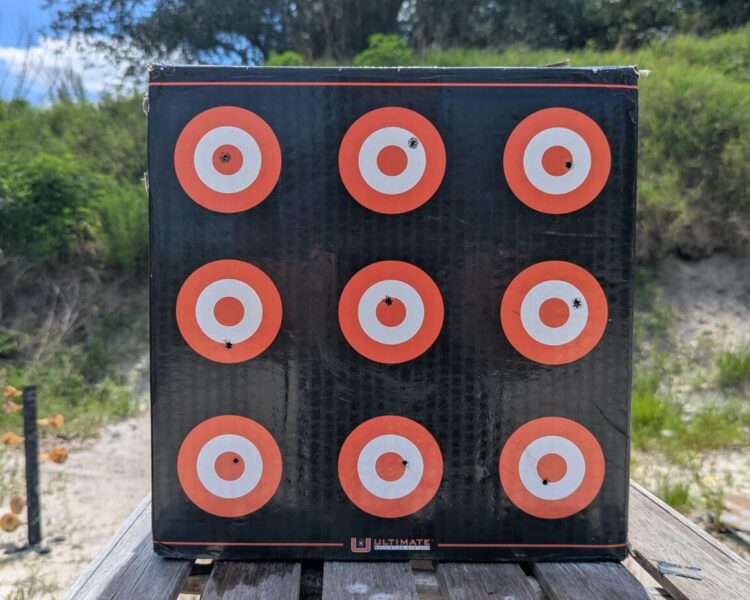
Intruder In A Box flips the script on how we evaluate defensive ammo by turning the test medium itself into a stand-in for the very threat we train to stop—an armed home invader—rather than the usual block of gelatin that only measures penetration and expansion. Instead of asking “how does this bullet behave in 10 % ordnance gel,” the concept asks “how does this bullet behave when the target is already moving, already returning fire, and already presenting only partial, angled anatomy.” That single shift forces us to confront variables we usually wave away: shot placement under stress, the effect of intervening barriers like arms or phones, and the uncomfortable truth that real defensive shootings rarely look like the FBI protocol poster on the range wall.
For the 2A community the takeaway is both practical and philosophical. Practically, shooters who rely on carry ammo now have another data point before trusting a hollow-point that may fragment early or a bonded round that may sail through a threat and still carry lethal energy into the next room. Philosophically, the exercise underscores why the right to keep and bear arms includes the right to test and understand those arms; without realistic feedback loops, we risk choosing defensive tools based on marketing rather than measurable performance against the scenarios the Second Amendment was meant to address. In short, Intruder In A Box doesn’t replace gel; it reminds us why we carry in the first place.


