

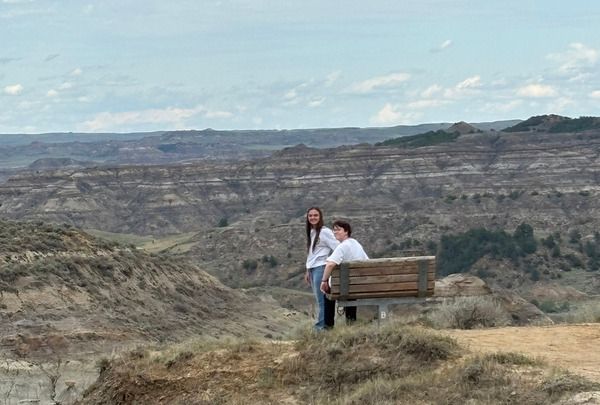
Montana’s decision to send two college interns on a 12-week accessibility audit of 13 state parks isn’t just good government—it’s a quiet reminder that the right to keep and bear arms is meaningless if citizens can’t physically reach the places where that right is most often exercised. When Ainsley Slocum and Kileigh Bartole mapped barriers for visitors of varying abilities, they were also mapping the future terrain where families will teach marksmanship, hunters will field-dress game, and new shooters will experience their first range day. Every ramp, hardened trail, and accessible parking spot they recommended removes one more excuse that anti-gun activists use to claim public land is “off-limits” to certain demographics, thereby shrinking the practical footprint of the Second Amendment.
The data these interns gathered under Amber Lopatine’s guidance will feed directly into new Accessible Recreation webpages and immediate capital improvements. That matters to the firearms community because the same trailheads, campgrounds, and boat launches that now welcome wheelchairs will tomorrow welcome scoped rifles, suppressed pistols, and the next generation of concealed-carry permit holders learning safe outdoor carry. By lowering physical thresholds, Montana is raising the floor on who can participate in the full spectrum of American gun culture—women, seniors, wounded veterans, and parents pushing strollers—without ever having to argue the point in court.
The larger implication is strategic. Every accessible state park becomes another living rebuttal to the narrative that gun owners are a narrow, able-bodied subset of society. When a paraplegic hunter can reach a blind, when an adaptive-shooting clinic can set up on a paved pad instead of a muddy hillside, the cultural and political case for expansive carry rights, hunting access, and range development grows stronger. Slocum and Bartole may not have realized they were doing 2A work, but the maps they drew are now part of the infrastructure that keeps the right to bear arms from becoming a right only on paper.


