

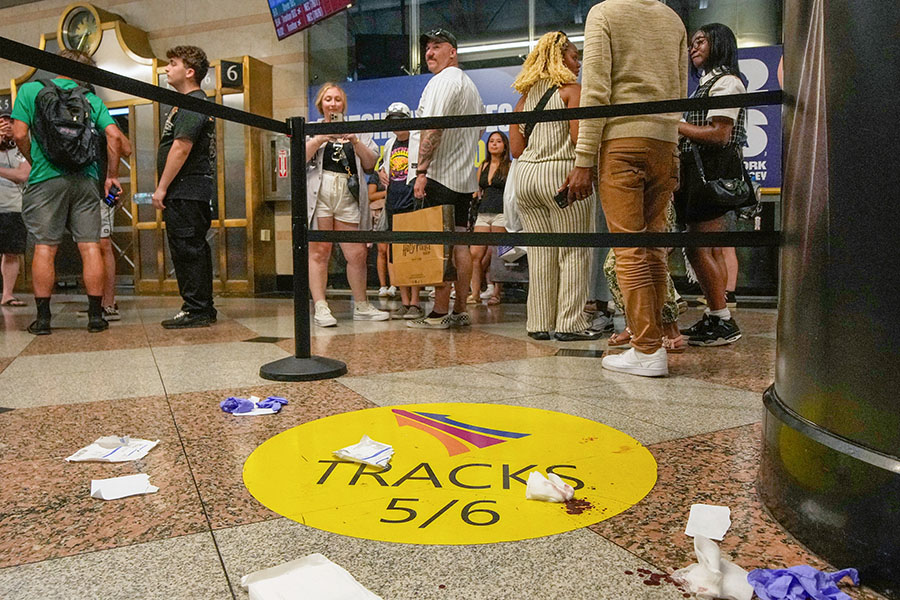
In the latest grim episode from New York City, a man was gunned down in broad view of bystanders who, thanks to the state’s near-total handgun ban and “may-issue” carry regime, had no lawful way to intervene. The shooter exploited the same dense urban environment that anti-gun lawmakers claim makes armed self-defense unnecessary, yet the only people with guns were the criminals who ignore every statute. This isn’t an anomaly; it’s the predictable result of policies that treat the right to keep and bear arms as a legislative favor rather than the individual liberty the Second Amendment was written to protect.
For the 2A community the takeaway is straightforward: when government disarms the law-abiding while promising perfect police protection, it creates target-rich environments for predators. New York’s “sensitive places” map now covers virtually the entire city, turning constitutional carry into a legal minefield and leaving residents to rely on 911 response times measured in minutes while violence unfolds in seconds. The contrast with shall-issue states is stark—data from the CDC, National Academy of Sciences reviews, and state-level studies continue to show no surge in gun crime after permitless or shall-issue reforms, undermining the claim that more armed citizens automatically equals more bloodshed.
The deeper implication is cultural as much as legal: New York’s political class has decided that the optics of “gun control” outweigh the lived experience of citizens trapped in high-crime neighborhoods. Until the courts or voters force a reckoning with Bruen’s text-and-history standard, the pattern will repeat—another preventable killing, another round of pious statements from officials who remain insulated by private security details. For those who value the right to self-defense, the lesson is equally clear: rights ignored in one jurisdiction remain vulnerable everywhere until the underlying legal architecture changes.


