

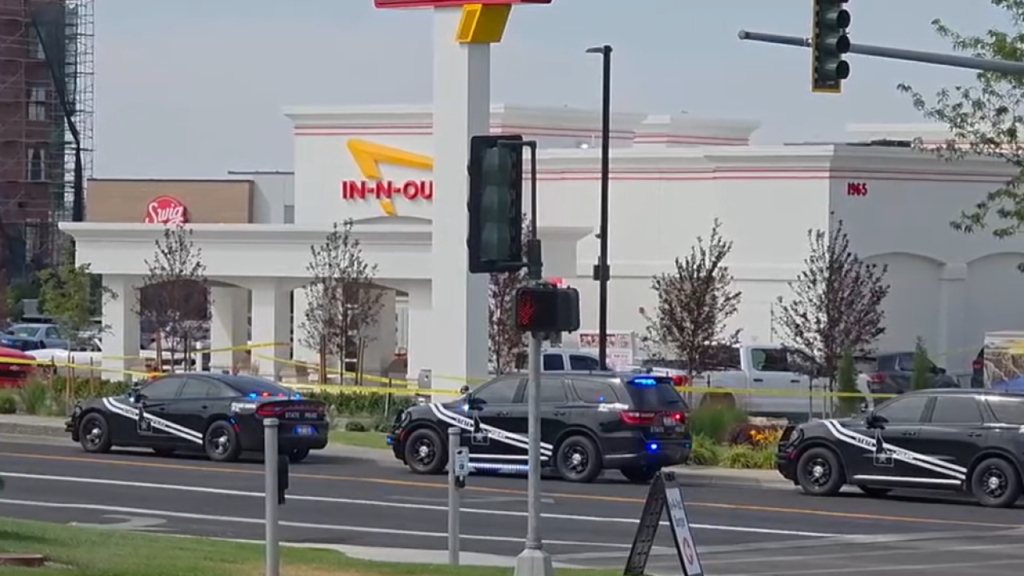
The story of Mr. James, who survived an attack only to discover his chamber-empty pistol was useless when seconds mattered most, is a textbook case of why “Israeli carry” is a liability dressed up as tradition. The moment he needed his firearm to function like the life-saving tool it is, an empty chamber turned a defensive firearm into an expensive paperweight. That single missing round didn’t just cost him time—it nearly cost him everything. For the concealed-carry citizen who trains to draw and fire under stress, the extra step of racking a slide is an unnecessary gamble that real-world violence rarely forgives.
Proponents of chamber-empty carry often cite safety or tradition, yet those arguments crumble when measured against the physiology of a fight. Under adrenaline, fine-motor skills degrade, tunnel vision sets in, and the simple act of manipulating a slide becomes a high-stakes dexterity test performed against a moving, armed threat. Training can mitigate some of that risk, but it cannot erase it; every added motion is another opportunity for a malfunction or a missed shot at the worst possible instant. The data from defensive shootings consistently shows that the majority of encounters are won—or lost—inside the first three seconds. In that window, a ready-to-fire pistol is not a luxury; it is the baseline.
For the broader Second Amendment community, this incident is a reminder that rights are exercised most effectively when paired with practical readiness. Advocating for the legal right to carry is only half the equation; the other half is carrying in a condition that actually allows immediate, effective self-defense. Chamber-empty methods may feel comfortable on the range, but they impose a self-inflicted handicap the moment a threat appears. Responsible gun owners owe it to themselves, their families, and the constitutional principles they defend to train and carry in a manner that maximizes—not undermines—the life-preserving potential of their firearm.


