

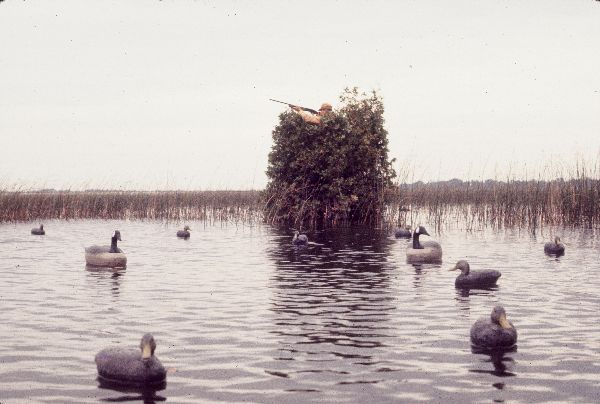
Vermont’s seasonal blind rules are a textbook example of how even the most mundane wildlife regulations can quietly shape the practical exercise of the Second Amendment. By anchoring the placement window to the first Saturday in September and requiring every blind to carry the owner’s name and address, the state is effectively turning a duck blind into a regulated structure rather than a portable piece of hunting gear. That distinction matters: once a blind is treated like real property, it becomes subject to inspection, removal deadlines, and—most importantly—traceability. For law-abiding waterfowlers the burden is mostly logistical, but the precedent is worth watching; if a state can require registration and removal dates for a temporary shooting platform, the same logic can be stretched toward other forms of arms storage or transport.
The February 15 deadline on Lake Champlain adds another layer of complexity. Because the lake freezes later and harder than inland ponds, the extended season effectively gives Champlain hunters a longer on-ice presence, yet still demands total removal before spring breakup. That forces a compressed work window in unpredictable weather, raising both safety and compliance risks. In practical terms, the rule rewards hunters who invest in modular, easily dismantled blinds and penalizes those who build elaborate cedar structures that can’t be extracted quickly. Over time, such incentives steer the market toward lighter, more mobile designs—an arms-industry echo of magazine-capacity limits pushing manufacturers toward featureless rifles.
For the broader 2A community, the takeaway is that “reasonable regulation” often begins with rules no one objects to—waterfowl blinds, tree stands, trail cameras—then expands. Each new paperwork requirement normalizes the idea that the state gets to inventory and calendar the tools citizens use to exercise enumerated rights. Hunters who shrug at blind tags today may find themselves explaining why their safe should not also carry a state-issued decal tomorrow. The Vermont rule is small, but it is a reminder that the regulatory ratchet rarely turns backward; eternal vigilance, even over cedar planks and anchor screws, is part of the cost of remaining a free state.


