

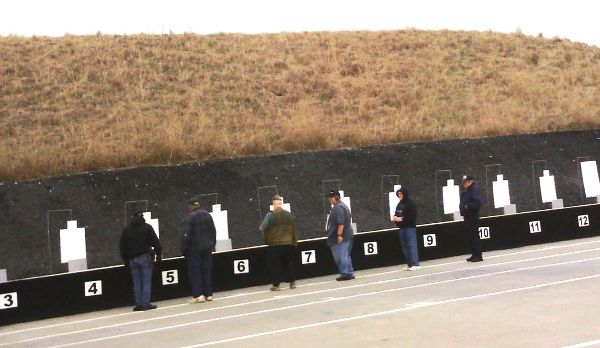
The art of crafting a qualification course isn’t just about checking boxes—it’s about building shooters who can think, move, and fight under pressure. A well-designed qual course forces participants to confront real-world variables: time constraints, movement, decision-making, and the ever-present reality that every shot counts. The best courses don’t just test marksmanship; they expose weaknesses in fundamentals, reveal how stress affects performance, and create a feedback loop that drives continuous improvement. For the 2A community, this matters because it shifts the conversation from “I own a gun” to “I can actually use it when it counts.”
What separates a mediocre qual from a transformative one is intentionality. The best instructors don’t just throw targets on a range and call it training—they engineer scenarios that mirror the chaos of a defensive encounter. That means incorporating movement, non-standard shooting positions, malfunction clearing under duress, and the mental load of distinguishing threats from bystanders. These aren’t just drills; they’re confidence builders. When a shooter completes a demanding qual course, they walk away not just with a certificate, but with the lived experience that they can perform when adrenaline is high and the margin for error is razor-thin.
For the broader 2A community, this emphasis on rigorous qualification standards is a quiet but powerful form of advocacy. Every shooter who trains seriously and documents their competence becomes a living rebuttal to the narrative that gun owners are reckless or untrained. It also creates a culture where skill is respected and mediocrity is unacceptable. In a world where the right to keep and bear arms is constantly under scrutiny, the ability to demonstrate disciplined, effective training isn’t just personal development—it’s cultural armor.


