

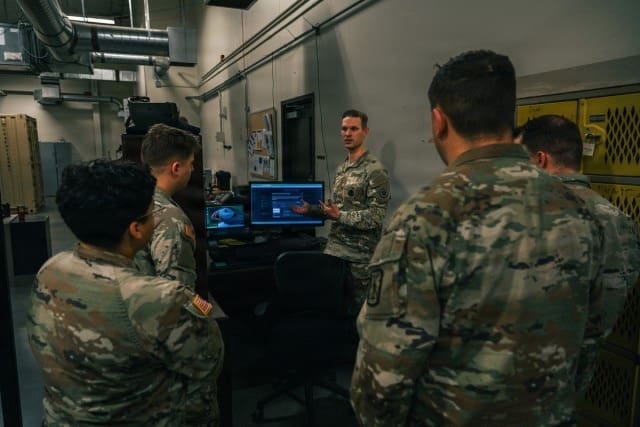
In the heart of Joint Base Lewis-McChord, a modest workshop humming with printers, spools of filament, and CAD software is proving that the future of military sustainment isn’t always delivered by billion-dollar contractors—it’s grown layer by layer in a Special Forces workspace. The recent 3D printing symposium hosted by 1st Special Forces Group (Airborne) gave Soldiers direct experience with additive manufacturing, turning battlefield problems into physical solutions on demand. What once required waiting weeks for supply lines or shipping replacement parts from the other side of the world can now materialize in hours, directly supporting readiness and operational independence. This isn’t science fiction; it’s the quiet revolution happening inside forward-deployed units that understand innovation must match the pace of conflict.
For the 2A community, this story carries deeper implications than simple military logistics. The same technology empowering soldiers to fabricate mission-specific tools, repair components, or even create training aids is democratizing manufacturing for civilians as well. When governments grow increasingly hostile toward private firearm ownership and ammunition availability, the ability to produce durable polymer parts, jigs, magazines, and even certain lower receivers at home becomes a critical bulwark for self-reliance. The U.S. Army’s embrace of additive manufacturing validates what many in the firearms community have practiced for years: decentralized production isn’t a novelty, it’s a strategic necessity. If elite Army units are training to print solutions in austere environments, law-abiding citizens certainly retain the same natural right to do so in their garages and workshops.
The real power of this symposium lies in its subtle acknowledgment that innovation at the edge always outpaces bureaucratic procurement. While legacy defense contractors lobby for multi-year contracts, Soldiers and civilian gun owners alike are iterating faster, cheaper, and with greater ingenuity. This convergence of military adoption and civilian capability strengthens the foundational principle that an armed and innovative populace remains the ultimate guarantor of freedom. One layer at a time, 3D printing isn’t just supporting Army readiness—it’s reinforcing the practical reality of American self-sufficiency in an uncertain world.


