

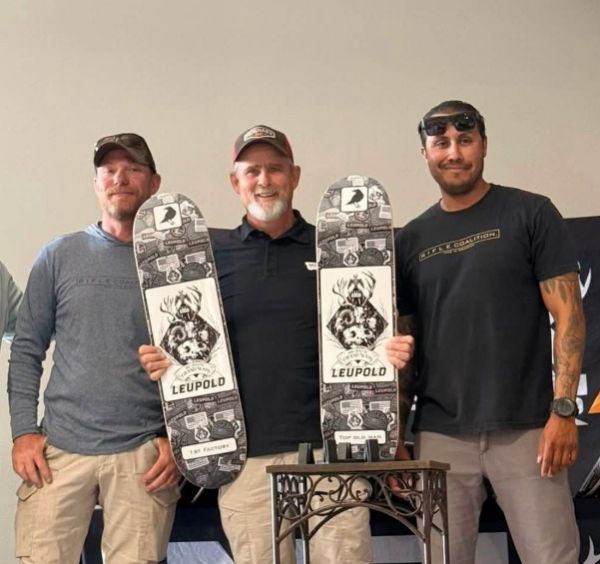
Bennie Cooley’s victory at the NRL Hunter Grand Slam is more than a single match win—it’s a real-world endorsement of the precision ecosystem that keeps the shooting sports thriving. By pairing Hornady’s 110-grain A-Tip projectiles with a 6 mm Creedmoor and Leupold’s 4DOF ballistic solver, Cooley demonstrated how today’s factory components can deliver sub-MOA performance at extended ranges without requiring custom handloads or boutique rifles. That matters for the broader 2A community because it undercuts the narrative that only highly regulated or “assault-weapon” platforms deserve scrutiny; the same supply chain that equips NRL competitors also equips hunters, recreational shooters, and those who rely on firearms for self-defense.
Equally significant is the generational angle: Cooley’s Top Senior finish shows that seasoned shooters remain competitive when given access to modern optics and data-driven tools. In an era when some policymakers push age-based restrictions or “red-flag” schemes aimed at older owners, his performance is living proof that experience plus technology equals continued safe, responsible marksmanship. The win also spotlights Hornady’s willingness to support civilian competition rather than retreat behind regulatory fears—an increasingly important stance as supply chains tighten and anti-gun litigation targets ammunition makers.
Finally, the match itself underscores why precision rifle sports function as the farm team for both hunting culture and responsible gun ownership. Events like the NRL Hunter Grand Slam normalize long-range safety protocols, ballistic transparency, and ethical shot placement—values the firearms community has long championed. When everyday competitors see a factory 6 mm Creedmoor wearing a readily available optic win against custom rigs, they’re reminded that the right to keep and bear arms isn’t reserved for the elite; it’s exercised every weekend on public and private ranges across the country.


