

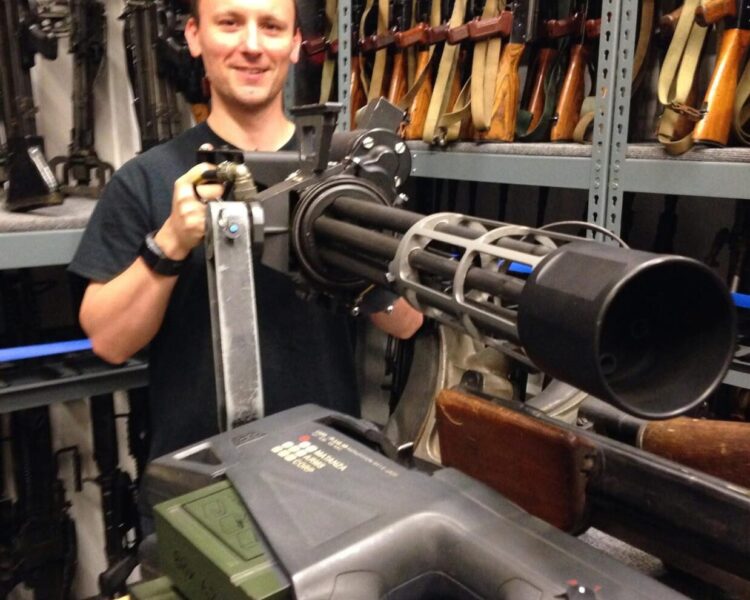
Hollywood’s obsession with cinematic firepower has always been a double-edged sword for the Second Amendment community. On one hand, the industry’s willingness to spend lavishly on armorers, blank-firing conversions, and weeks of actor training produces some of the most technically accurate gun handling ever committed to film—think John Wick’s reload discipline or Heat’s meticulously choreographed street battle. On the other, those same productions often treat firearms as props first and tools second, bending safety rules, muzzle discipline, and even basic physics whenever the script demands spectacle. The result is a cultural feedback loop: millions of viewers absorb both the visual language of competent gun use and the casual disregard for its real-world responsibilities, shaping public perception long before any legislative debate begins.
Budget realities further complicate the picture. A mid-tier production may rent a single, well-maintained 1911 and a box of blanks, while a tentpole franchise can fly in a team of former special-operations armorers and build custom pneumatic recoil systems that mimic live fire without the legal headaches. That disparity shows up on screen as either crisp, believable manipulation or the all-too-familiar “Hollywood hold” where actors wave pistols like flashlights. For 2A advocates, the takeaway is clear: every frame either reinforces or erodes the argument that responsible gun ownership is normal, disciplined, and accessible. When a film gets it right, it quietly validates training, safe storage, and the mechanical literacy that gun owners prize; when it gets it wrong, it hands anti-gun activists fresh clips for the evening news.
Ultimately, the industry’s evolving attitude toward firearms may matter more than any single scene. As studios increasingly hire consultants who are also competitive shooters or certified instructors, the gap between reel and real narrows, offering viewers a more honest window into the discipline required to carry or collect legally. Yet the same consultants remain bound by studio insurance policies that prioritize optics over authenticity, reminding us that Hollywood’s guns will always serve the story first. For the 2A community, the task is to separate the entertainment from the education—celebrating the rare productions that treat firearms with the respect they deserve while pushing back against the lazy tropes that turn every pistol into a prop and every owner into a caricature.


