

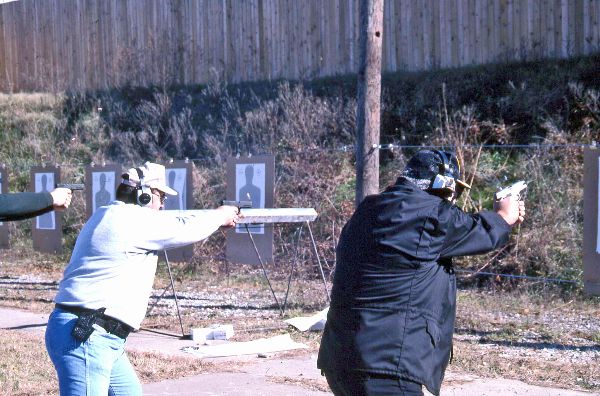
The hierarchy of skills in the firearms world isn’t just about who can shoot the tightest group at 25 yards—it’s about who can think, move, and adapt when the range goes hot and the plan falls apart. The best shooters aren’t necessarily the ones with the most trophies; they’re the ones who’ve layered marksmanship, decision-making, and stress inoculation into a single, seamless response. That progression from static bullseyes to dynamic, judgment-based drills mirrors the real-world difference between range hobbyists and people who carry every day with the quiet confidence that comes from having pressure-tested their skills.
For the 2A community, this hierarchy matters because it directly challenges the lazy “just buy a gun and you’re good” narrative that anti-gunners love to exploit. When we publicly emphasize training ladders—dry-fire regimens, force-on-force, medical integration, legal literacy—we’re not only becoming more competent gun owners, we’re also building a culture that’s harder to caricature. Lawmakers and courts notice when a community can point to measurable standards instead of slogans; training hierarchies give us the receipts. They also create natural mentorship pipelines: the new shooter who starts at the bottom rung finds a clear path upward instead of stalling out after the first box of ammo.
Ultimately, the hierarchy reframes ownership as an ongoing discipline rather than a one-time transaction. That shift strengthens the individual carrier and inoculates the broader movement against the “gun owner as reckless yahoo” stereotype. When we treat skill development like a professional obligation instead of an optional hobby, we make the case—quietly but convincingly—that the right to keep and bear arms is safest in the hands of those who treat it as both a right and a craft.


