

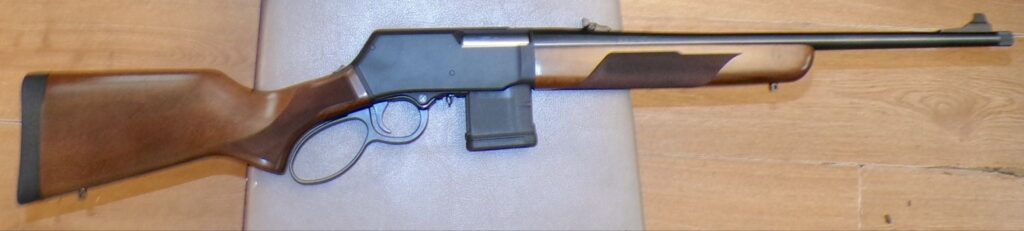
Henry’s decision to mate a classic lever-action with AR-15 magazines isn’t just a clever engineering trick—it’s a direct response to how today’s shooters actually train and stockpile. By letting owners feed the rifle from the same 30-round mags they already run in their defensive carbines, Henry removes one more logistical headache while preserving the lever gun’s quick-handling charm and nostalgic appeal. The free-floated, threaded barrel and refined trigger further signal that this isn’t a retro novelty; it’s a purpose-built platform that can wear a suppressor, mount an optic, and still cycle faster than most bolt-actions when seconds count.
For the 2A community the LASR quietly underscores a larger truth: innovation within traditional platforms keeps older designs relevant instead of letting them fade into obsolescence. Every time a manufacturer finds a way to blend heritage ergonomics with modern modularity, it expands the pool of people who might otherwise dismiss lever guns as relics. That matters when anti-gun voices push “assault weapon” bans that hinge on cosmetic features; a lever-action that accepts standard magazines and optics becomes harder to caricature as outdated or irrelevant, and it gives owners another lawful option that doesn’t trigger magazine-capacity hysteria in states that still respect the right to keep and bear arms.
Ultimately, Henry’s move reinforces the idea that the right to bear arms isn’t frozen in 1894 or 2024—it evolves with the tools people actually use. By giving the lever gun a contemporary diet and modern ergonomics, the LASR keeps an iconic American action alive for new generations of shooters who value both history and practicality.


