

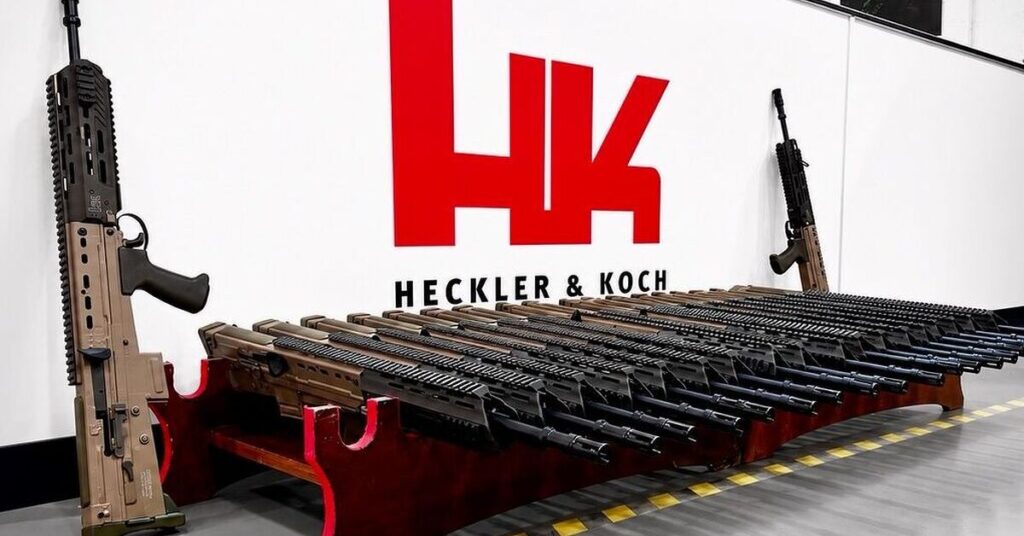
Heckler & Koch’s final delivery of 15,600 SA80A3 rifles to the British Ministry of Defence closes an eight-year chapter that began with a rifle most soldiers openly disliked and ends with one they now trust. The A3’s upgrades—improved gas system, ambidextrous controls, and a rail interface that finally accepts modern optics—were driven by the very troops who had to carry the earlier versions into combat. That feedback loop turned a politically mandated, domestically produced bullpup into a serviceable platform, proving that iterative, user-centered refinement can salvage even a troubled design. For American gun owners watching the story, the lesson is clear: when a government actually listens to its end-users instead of locking a flawed spec in stone, reliability and ergonomics improve without requiring an entirely new rifle.
The deeper takeaway for the 2A community is how Britain’s approach contrasts with the U.S. tendency to scrap entire programs at the first sign of trouble. Rather than chasing the next wonder-carbine, the MOD stuck with the SA80 chassis, invested in incremental fixes, and kept production onshore—preserving both institutional knowledge and a skilled workforce. That continuity matters when supply chains tighten or political winds shift. American enthusiasts who value domestic manufacturing and long-term support should note that the same principles apply here: once a platform is fielded, sustained small-batch upgrades often deliver more fighting value than flashy, one-off replacements.
Finally, the SA80A3’s journey underscores a universal truth about small arms: no rifle leaves the factory perfect, but consistent, data-driven tweaks can close the gap between concept and combat reality. U.S. shooters lobbying for sensible modernization of existing service rifles—rather than waiting for a mythical “next generation” wonder-gun—can point to Britain’s example as evidence that evolution beats revolution when the goal is keeping soldiers effective, not headlines impressive.


