

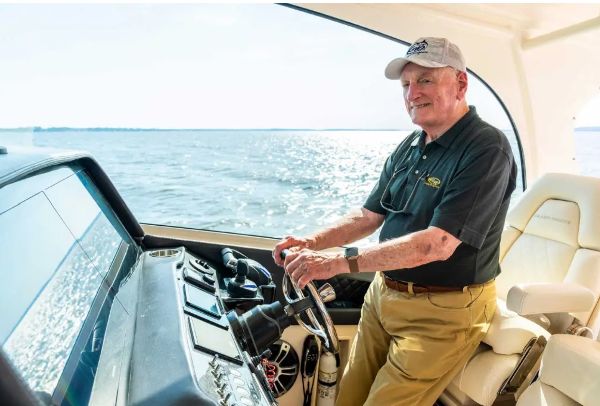
When Grady-White’s founder turned down a $400 million buyout, he wasn’t just protecting a brand—he was safeguarding a culture of craftsmanship that resonates deeply with the Second Amendment community. In an era where private equity firms routinely strip legacy manufacturers of their identity in pursuit of quarterly returns, his decision to keep the company independent sent a clear message: some values can’t be measured on a balance sheet. For gun owners who’ve watched iconic American firearms companies get hollowed out after acquisition, the parallel is unmistakable—independence preserves the soul of a product, whether it’s a hand-laid fiberglass hull or a precision-machined receiver.
The ripple effects extend beyond boats. Independent ownership often means tighter quality control, longer product support cycles, and a willingness to stand behind every unit sold—principles that matter when your life may depend on gear functioning in extreme conditions. It also keeps institutional knowledge in-house rather than scattered across spreadsheet-driven conglomerates. That continuity matters to the 2A community because it mirrors the fight to preserve small, family-owned gunmakers who refuse to trade heritage for hedge-fund returns.
Ultimately, the Grady-White story is a quiet manifesto for self-reliance: when owners retain control, they can prioritize the end user over exit strategies. In both boating and firearms, that autonomy translates into products built to last generations rather than fiscal quarters—exactly the kind of legacy the Second Amendment was designed to protect.


