

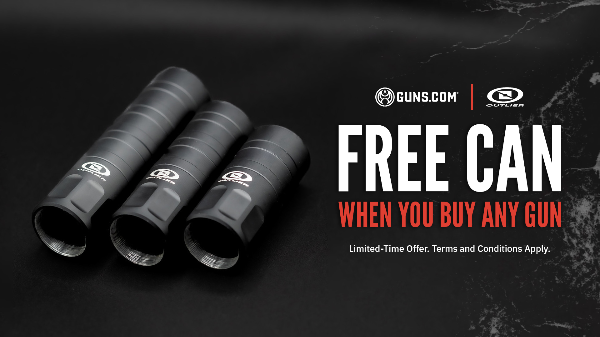
In a market where suppressor ownership still carries the weight of a $200 tax stamp and months of waiting, Guns.com and Outlier’s decision to simply hand customers a free Backdraft with any firearm purchase feels like a deliberate middle finger to the old regulatory mindset. By absorbing the cost of a USA-made can that retails for as much as $335, the two companies are betting that volume will eventually force lawmakers to confront how outdated the NFA process has become. The promotion runs through mid-2026, giving buyers nearly two full years to stock up on everything from rimfire plinkers to defensive carbines while the free suppressor offer lasts—an unusually long runway that suggests both firms see sustained demand rather than a short-term gimmick.
For the 2A community the move is more than clever marketing; it’s a tangible expansion of access. Suppressors have long been treated as exotic accessories reserved for serious competitors or those willing to navigate extra bureaucracy, yet data from the ATF’s own eForms system shows wait times dropping and applications rising. By removing the sticker price entirely, Guns.com and Outlier are accelerating that trend, turning what used to be a “maybe someday” item into an impulse add-on that new and seasoned shooters alike can justify. The upgrade path to the stainless Poacher model also keeps the conversation going—once a buyer experiences the benefits of hearing-safe shooting, the appetite for better gear tends to grow, reinforcing the argument that sound moderation is a public-safety feature, not a loophole for criminals.
Longer term, this kind of bundling could reshape how manufacturers and retailers talk about rights-affirming products. If free-suppressor deals become common, the political cost of maintaining the NFA’s suppressor restrictions rises; each new owner becomes a stakeholder with a financial and practical interest in simplified or eliminated paperwork. That’s the quiet power of the promotion: it doesn’t just sell guns and cans, it grows the constituency that will eventually demand the laws catch up to the hardware.


