

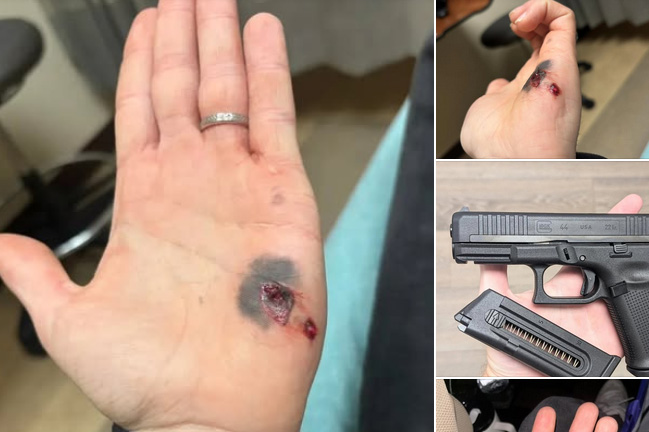
No one ever had an ND and said, “Damn, I thought the gun was loaded.” That single line cuts straight to the heart of why punishment-focused “gun safety” campaigns keep missing the mark. Negligent discharges almost always stem from momentary lapses in the four universal safety rules—treating every firearm as loaded, never pointing the muzzle at anything you’re unwilling to destroy, keeping your finger off the trigger until ready to shoot, and knowing your target and what’s beyond it—rather than from malice or ignorance of the law. When the aftermath is treated like a criminal act instead of a training failure, shooters go silent, ranges lose valuable incident data, and the community forfeits the chance to turn every mishap into a repeatable lesson that actually sticks.
The deeper implication for the 2A world is that culture beats coercion every time. States that pile on felony charges for honest mistakes drive defensive gun owners underground and give anti-rights activists fresh footage of “irresponsible gun owners” to weaponize in the next legislative session. By contrast, ranges and instructors who normalize immediate, non-punitive debriefs—video review, dry-fire resets, and public write-ups of what went wrong—see measurable drops in repeat incidents because shooters learn without fear of losing their rights. That same mindset scales: when the community polices itself through rigorous, judgment-free education instead of waiting for prosecutors, we keep guns out of the hands of the truly reckless while preserving the broad exercise of the right for everyone else.
Ultimately, the data and the anecdotes agree—every ND is a training scar, not a character flaw. If we want fewer holes in walls, floors, and, worst case, people, the 2A community must double down on accessible, recurring, high-quality instruction that treats safety rules as muscle memory rather than legal fine print. Punishment has its place for the willful and the criminal, but the everyday negligent discharge is best defeated by relentless, peer-driven repetition of the basics until “the gun is always loaded” stops being a slogan and becomes an automatic reflex.


