

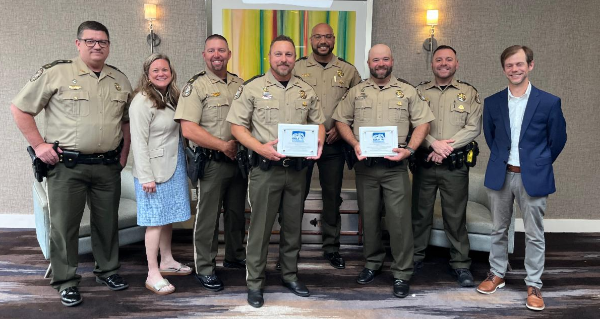
In the sun-baked waters off Florida’s Gulf Coast, two Florida Fish and Wildlife Conservation Commission specialists—Kyle Yurewitch and Mathew Rubenstein—spent 2025 racking up 40 TED boardings and 14 federal fisheries cases aboard the Offshore Patrol Vessel Gulf Ranger. Their work isn’t just about counting turtles or checking shrimp nets; it’s a daily exercise in the kind of proactive, intelligence-driven policing that keeps both marine resources and coastal economies healthy. For the 2A community, these numbers matter because they demonstrate how well-trained officers using modern patrol platforms can achieve measurable results without the heavy-handed tactics that often fuel anti-gun narratives. When enforcement stays surgical and evidence-based, it undercuts the argument that more restrictions on lawful gun owners are needed to “combat crime.”
What stands out is the Gulf Council’s decision to spotlight these officers at a moment when federal fisheries enforcement is under pressure from both budget hawks and coastal stakeholders who fear overreach. By publicly honoring Yurewitch and Rubenstein, the Council is signaling that professional, accountable policing—backed by the right tools and training—remains the preferred model over vague, catch-all regulatory schemes. That message resonates with Second Amendment advocates who have long argued that targeted enforcement against actual violators is far more effective, and constitutionally sound, than broad-brush restrictions aimed at the law-abiding. It also quietly reinforces the idea that the same constitutional principles protecting an individual’s right to keep and bear arms apply to the tools and tactics officers use to do their jobs on the water.
Looking ahead, the recognition of these two specialists suggests a growing appetite among resource managers for partnerships that treat enforcement as a precision instrument rather than a blunt one. If that approach spreads, it could ease tensions between regulators and the recreational and commercial fishing communities that often overlap with the broader firearms culture. More importantly, it offers a real-world rebuttal to the notion that public safety requires ever-tightening controls on private citizens; instead, it shows that investing in skilled officers who operate within clear legal bounds delivers results without eroding constitutional protections.


