

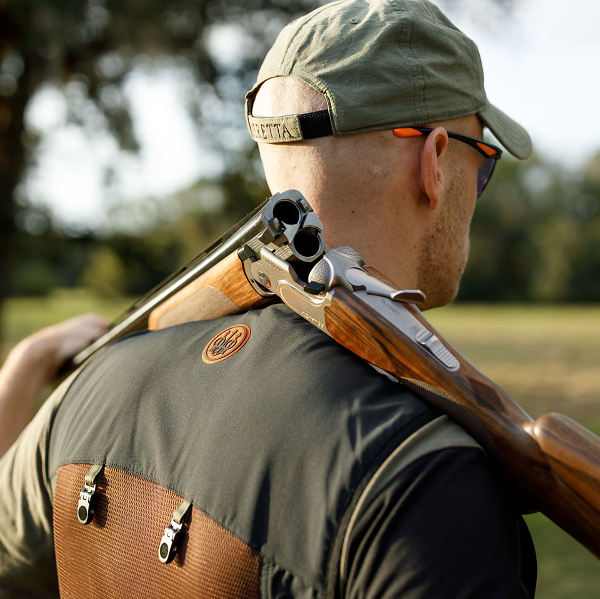
GRITR Sports just dropped a rare window of savings on two of Beretta’s most capable defensive scatterguns—the 1301 Tactical and the new 20-gauge A300 Ultima Patrol—through July 31, and the timing couldn’t be more instructive for the 2A community. While the 1301 has long been the go-to choice for competition-minded owners who prize its lightning-fast, inertia-driven cycling and oversized controls, the lighter-recoiling 20-gauge A300 Ultima Patrol broadens that same reliability to shooters who want reduced muzzle flip without sacrificing magazine capacity or modern ergonomics. In an era when statehouses keep testing magazine bans and “assault weapon” definitions, these Italian-made, feature-rich pumps and semis remain firmly outside most restriction crosshairs, giving owners a hedge that keeps both home-defense utility and competition legality intact.
What makes the promotion more than a simple sale is the signal it sends about supply-chain resilience and consumer choice. Beretta’s U.S. footprint and GRITR’s willingness to move inventory at aggressive prices illustrate how private enterprise, not government programs, keeps defensive tools accessible even as inflation and regulatory uncertainty ripple through the market. For new shooters priced out of 12-gauge trainers, the 20-gauge variant lowers the barrier to entry without forcing a compromise on capacity or accessory rails, effectively expanding the pool of citizens who can train affordably and frequently—an outcome that ultimately strengthens the broader right to keep and bear arms.
The deeper implication is cultural as much as practical: every time a respected brand and a nimble retailer collaborate on limited-time value, they reinforce the message that the Second Amendment is exercised not only in courtrooms but also at the cash register. Savvy buyers who lock in one of these shotguns before month’s end aren’t merely scoring hardware; they’re voting with their dollars for a marketplace that rewards innovation, keeps margins thin, and ensures that effective self-defense tools remain in civilian hands rather than locked behind ever-higher paywalls or bureaucratic hurdles.


