

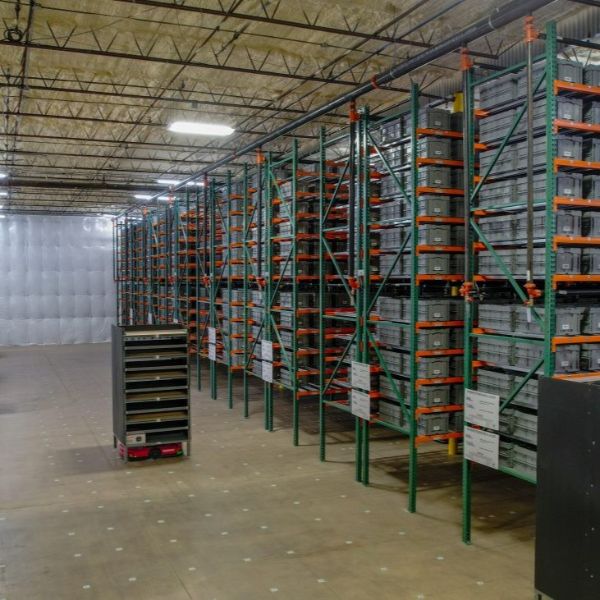
GRITR Sports just flipped the switch on a robotics-driven warehouse in Arlington that promises a 130 percent jump in throughput and a sharp drop in fulfillment mistakes, and the ripple effects for the 2A community are worth watching. By pairing autonomous mobile robots with AI logistics software, the company is essentially turning its back-of-house operation into a precision instrument—one that can keep popular SKUs like optics, magazines, and defensive ammunition in stock without the lag times that once plagued smaller retailers. For shooters who have spent the last few years refreshing pages at 2 a.m. hoping a restock would appear, that kind of speed and accuracy isn’t just convenient; it’s a quiet force-multiplier for readiness.
The 25 new roles the facility created—robotics technicians and data analysts—also hint at a broader industry shift: brick-and-mortar gun shops and online distributors alike are realizing that scale now depends on talent that understands both supply chains and code. When a single warehouse can move product faster than legacy manual systems, smaller competitors either modernize or cede shelf space, which tends to concentrate inventory among outfits willing to invest in automation. That concentration can stabilize pricing and availability during the next panic cycle, but it also raises the stakes for any future regulatory moves aimed at distributors; a handful of high-tech nodes become easier targets for oversight than a diffuse network of mom-and-pop shops.
Ultimately, GRITR’s bet on robotics underscores how the right to keep and bear arms is increasingly exercised through the efficiency of private enterprise rather than sheer volume of brick-and-mortar outlets. Faster, cleaner logistics translate into more citizens who can actually acquire the tools they need when they need them, without artificial bottlenecks created by outdated warehousing. In an era when policy fights and cultural debates dominate headlines, it’s easy to overlook the unglamorous work of conveyor belts and path-finding algorithms—yet those systems may end up doing more day-to-day work protecting access than any single piece of legislation.


