

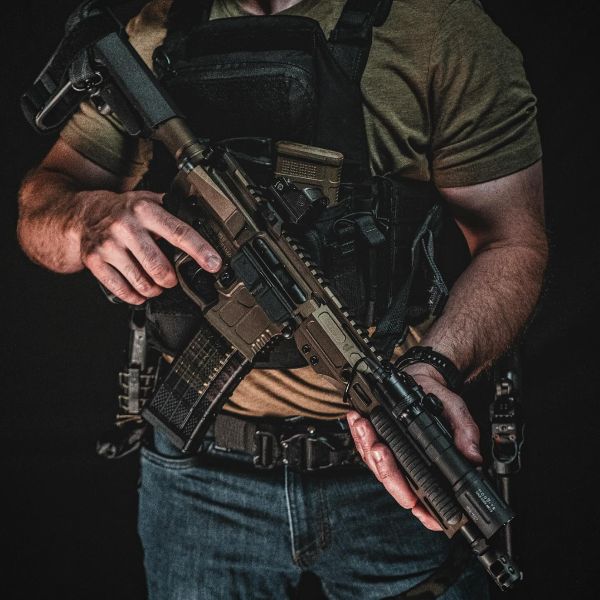
GRITR Sports just dropped a fresh batch of Warrior Systems hardware that’s bound to catch the eye of any builder who values both performance and Texas-made grit. The WSM15 rifles in multiple finishes give shooters a ready-to-run 5.56 platform that already carries the reputation for tight tolerances and reliable feeding, while the billet AR-15 receiver sets open the door for custom builds that can be tailored to everything from home-defense carbines to competition rifles. In a market where big-box retailers often push the same cookie-cutter SKUs, GRITR’s decision to stock both complete rifles and the raw components signals they understand that today’s 2A enthusiast wants options, not just another black rifle on the wall.
What makes this arrival noteworthy is how it quietly reinforces the strength of the domestic supply chain at a time when import restrictions and regulatory pressure keep testing the industry’s resilience. Warrior Systems’ focus on billet receivers means end users can spec out lightweight, high-strength uppers and lowers that meet or exceed mil-spec without relying on overseas forgings—an increasingly relevant advantage as more states flirt with feature bans or serialization mandates. For the 2A community, every new stocking order like this is a small but tangible reminder that private enterprise continues to outpace legislative attempts to limit access; the more quality American-made parts sit on shelves in places like Texas, the harder it becomes for anti-gun jurisdictions to starve the ecosystem of legal, functional firearms and the parts needed to maintain them.
Beyond the immediate product news, GRITR’s move highlights a broader trend: regional retailers stepping up as curators rather than mere resellers. By pairing complete WSM15 rifles with the modular billet ecosystem, they’re giving both first-time buyers and seasoned builders a one-stop path to legal, reliable 5.56 platforms that can be upgraded or repaired indefinitely. That kind of foresight keeps the Second Amendment practical, not just theoretical—because rights mean little without the tangible tools and the merchants willing to stock them.


