

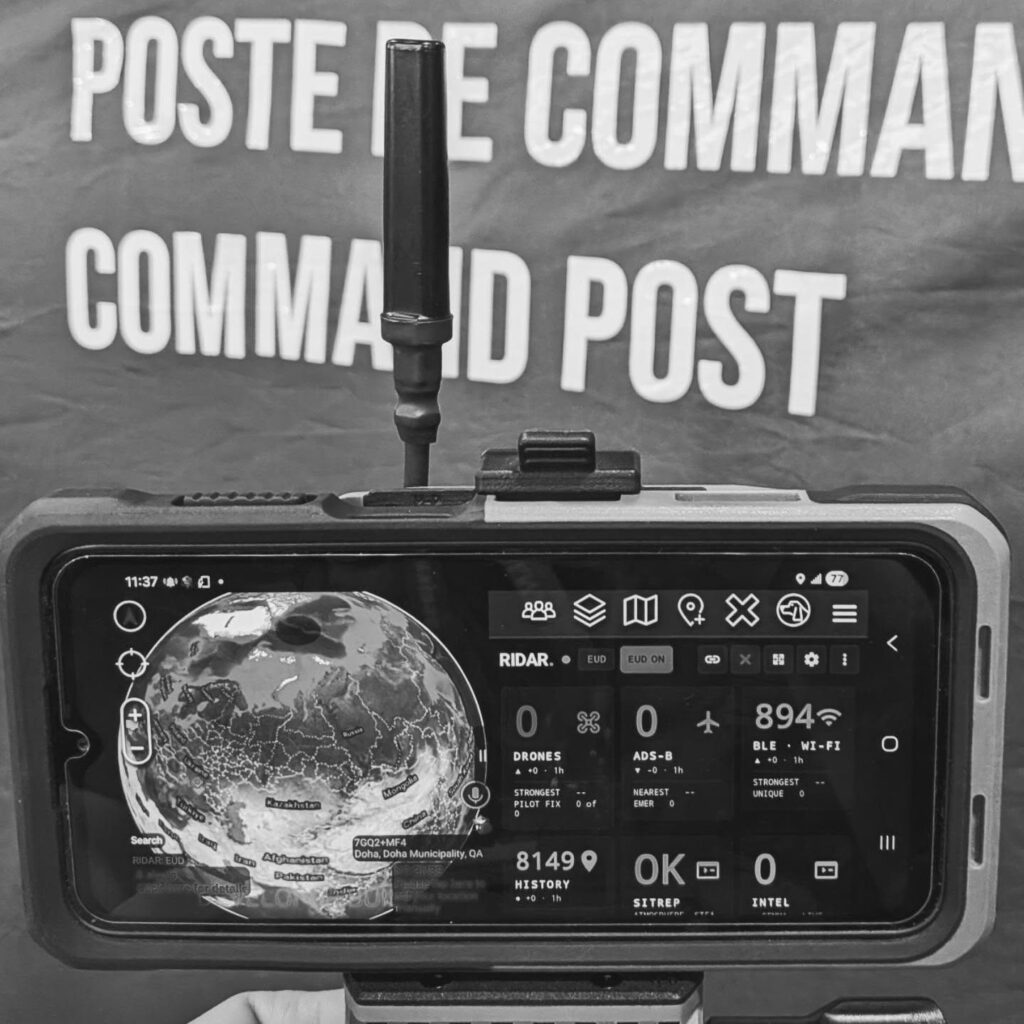
In a move that flips the script on who gets to own airspace awareness, GoTAK is handing every Android End User Device the same RIDAR ATAK plugin that powers their paid RIDAR-FM drone detector—no paywall, no license key, no strings. That single decision turns the ubiquitous smartphone already riding in plate carriers and range bags into a passive drone-spotting node that feeds directly into the TAK ecosystem. For the 2A community the implication is immediate: the same open-source mapping stack that coordinates everything from hog hunts to private-property security now carries a free layer that can flag low-flying UAS before it ever reaches the back forty.
The timing is no accident. As federal agencies and municipalities push “drone-as-first-responder” programs and hobbyist quadcopters keep getting cheaper, the ability to see what’s orbiting your own land without waiting for an app subscription or government feed becomes a practical edge. By releasing the plugin into the wild, GoTAK effectively crowdsources detection across every TAK user who opts in, creating a distributed sensor net that scales faster than any single vendor’s hardware rollout. That decentralization mirrors the broader Second Amendment logic that rights and tools are safest when they’re distributed rather than centralized.
For private citizens, trainers, and small-unit leaders already running ATAK on Android, the plugin lowers the barrier from “nice-to-have paid accessory” to “default capability.” It also quietly pressures commercial drone-detection companies to justify their pricing when the core software layer is now free. In an environment where regulatory creep keeps trying to turn every new technology into a permission slip, GoTAK’s decision hands the 2A community another tool that doesn’t require asking anyone’s permission first.


