

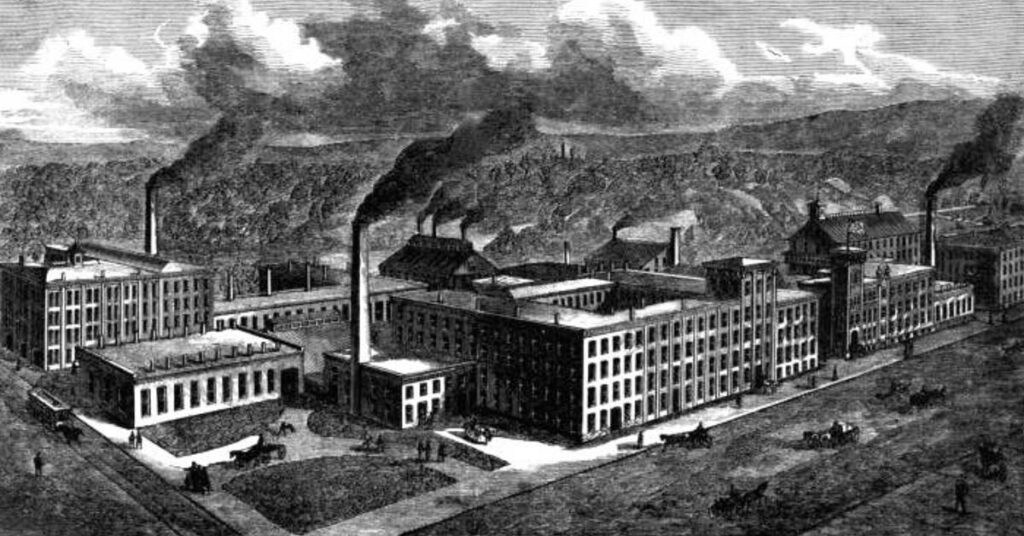
The transformation of Remington’s historic Ilion plant from a cradle of American arms-making into a data center is more than a real-estate transaction; it is a stark ledger entry on the balance sheet of an industry under siege. For two centuries the factory stood as living proof that a free people could design, forge, and finish the tools of their own defense on the same ground where their great-great-grandfathers once did. Now the same brick walls will cradle server racks instead of barrel rifling machines, a quiet surrender of physical infrastructure that once anchored both local identity and national resilience. The 2A community should read this not as nostalgia but as a warning label: when regulatory pressure, activist investors, and shifting capital priorities converge, even the oldest names can be converted from steel to silicon overnight.
That conversion carries downstream consequences that extend far beyond one upstate New York ZIP code. Every time a legacy manufacturer sheds capacity, the remaining domestic producers absorb greater scrutiny, higher compliance costs, and thinner margins, all while demand for lawfully owned firearms continues to climb. Data centers do not mill slides or headspace barrels; they cannot surge production in a crisis, train the next generation of skilled machinists, or serve as tangible rebuttals to the narrative that “nobody needs” modern firearms. The Ilion story therefore underscores a strategic imperative—supporting diversified, redundant American manufacturing footprints—so that future chapters of our constitutional inheritance are written in steel rather than archived in the cloud.


