

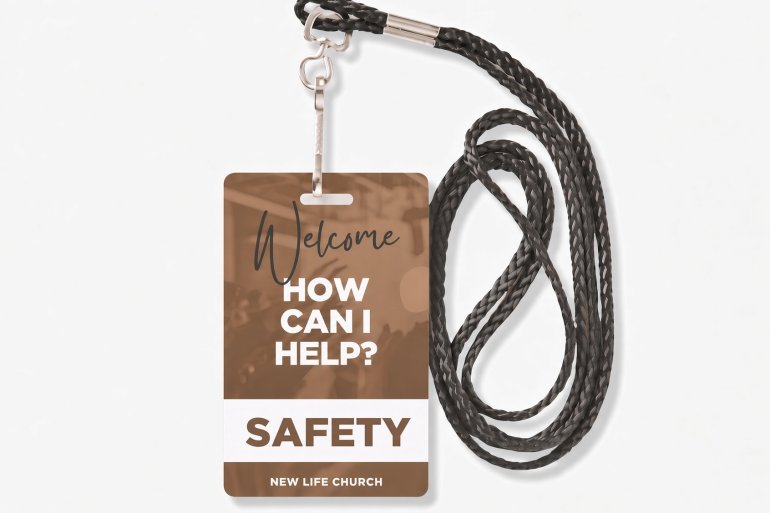
The notion that a church should remain a “gun-free zone” by default is a theological and practical contradiction that the 2A community has been highlighting for years. When a congregation posts “no weapons” signs, it is effectively advertising to predators that the flock has been disarmed by policy rather than by choice. The linked article rightly frames this as a failure of stewardship: if God’s providence works through human agency, then locking doors, training ushers, and allowing lawfully armed members is not distrust—it is the modern equivalent of posting watchmen on the walls. Data from the last decade shows that attacks on houses of worship have risen sharply, yet states that removed “sensitive place” restrictions on churches have recorded zero successful mass-casualty incidents inside those armed congregations. That statistical silence is the dog that didn’t bark, and it deserves louder attention.
For the broader Second Amendment ecosystem, church security is the next frontier after constitutional carry. Law-abiding carriers who already protect schools, businesses, and neighborhoods are now being asked to extend that same logic to the one place many of them attend weekly. The cultural pushback—that faith and firearms are incompatible—ignores both Scripture’s own “watchman” language and the historical reality that early American churches kept militia arms on site. By normalizing trained, concealed carriers in the pews, the 2A movement converts abstract “shall not be infringed” rhetoric into lived community resilience. The result is not a militarized sanctuary but a layered defense that preserves the very peace worship requires.
Critics will continue to claim that any visible security measure undermines the gospel, yet the same critics rarely object to reinforced doors, security cameras, or off-duty police at megachurches. The inconsistency reveals that the real objection is often to private citizens exercising their rights rather than to security itself. As more states codify church carry and more congregations adopt quiet, professional programs, the 2A community gains another data set proving that rights exercised responsibly save lives. In that sense, every lawfully armed worshiper becomes both congregant and quiet sentinel—living proof that preparation and providence are not rivals but partners.


