

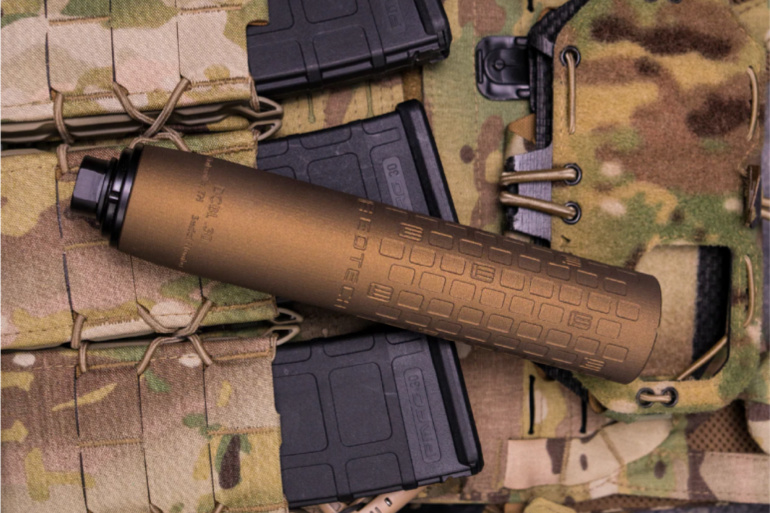
Nothing makes a politician more uncomfortable than a workable solution, because practical solutions raise expectations—and few issues expose that discomfort more clearly than the ongoing debate over firearm suppressors. For decades, the Hearing Protection Act and similar reform efforts have tried to move suppressors out of the NFA’s punitive tax-and-registration regime and into the same regulatory lane as ordinary firearms accessories. The logic is straightforward: a suppressor reduces harmful noise levels that cause permanent hearing damage, makes range training more accessible, and does nothing to increase a firearm’s lethality or concealability. Yet every time the issue surfaces in Congress, the same reflexive opposition emerges, framed not around data but around the fear that acknowledging a simple engineering solution might force lawmakers to confront why the original 1934 restrictions were ever imposed in the first place.
That discomfort matters to the 2A community because it reveals how gun-control politics often prioritizes symbolic restrictions over measurable public-safety outcomes. Suppressors already enjoy broad acceptance in Europe and among U.S. hunters who use them to protect hearing and reduce noise complaints; their rarity here stems almost entirely from the $200 tax stamp and multi-month wait times that treat a sound-moderating device as if it were a machine gun. When legislators stall or grandstand instead of advancing deregulation, they signal that the goal is not fewer hearing injuries or quieter rural ranges but the preservation of regulatory friction itself. For law-abiding gun owners, this translates into continued unnecessary costs, delayed training, and a tacit message that practical safety improvements are politically suspect.
The longer Congress treats suppressors as radioactive rather than routine, the more it underscores a deeper strategic challenge for Second Amendment advocates: shifting the Overton window from “Is this accessory scary?” to “Does this policy actually reduce harm?” Each stalled hearing-protection bill keeps the focus on process rather than results, giving anti-gun voices an easy target while denying shooters a low-cost way to preserve their own hearing. Until the political class grows comfortable with workable solutions, the suppressor fight will remain less about decibels and more about whether government is willing to stop punishing citizens for choosing less noise.


