

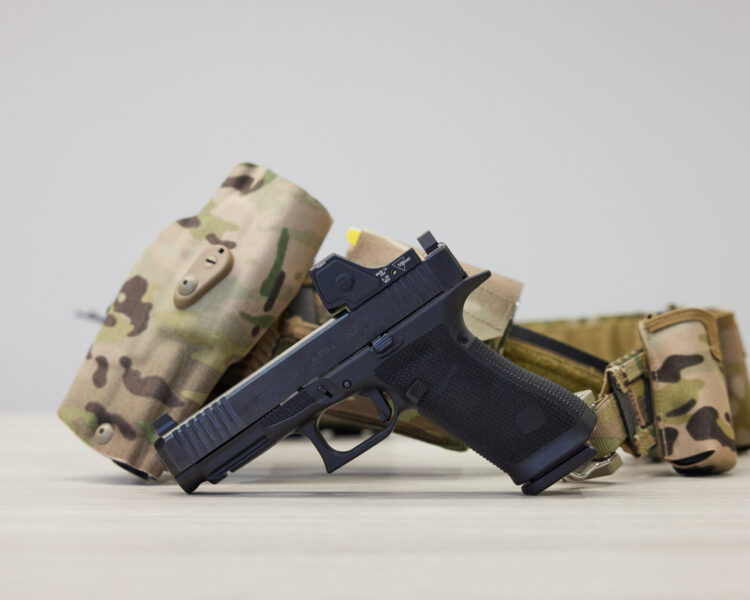
The Glock Gen 6 rollout scheduled for January 2026 is more than a generational refresh—it’s a calculated move that keeps the platform relevant in an era where optics-ready slides, modular grip frames, and duty-grade ergonomics are table stakes. By launching the G19, G45, and G17 simultaneously, Glock is signaling that the Gen 6 isn’t a niche experiment; it’s the new standard across the most popular duty and concealed-carry sizes. That matters to the 2A community because it locks in a single, long-term holster ecosystem instead of fragmenting the market into “Gen 5 only” or “Gen 6 only” SKUs. Safariland’s decision to drop compatible ALS and GLS holsters the same week the pistols hit shelves underscores how quickly aftermarket support can coalesce when the OEM commits to a stable platform.
For everyday carriers and agency armorers alike, the real story is continuity. The Gen 6’s slide dimensions and accessory rail appear to remain within the envelope that current Safariland shells already accommodate, meaning departments won’t have to budget for an overnight holster swap when the new guns arrive. That predictability protects both taxpayer dollars and the muscle memory officers have built over thousands of draw-stroke repetitions. Meanwhile, civilian shooters gain the peace of mind that their existing kydex or hybrid rigs won’t become instant orphans; instead, they can simply order a Gen 6–specific claw or wedge if the slightly revised grip angle demands it. In an industry where product cycles often force premature gear turnover, Glock’s restraint here is quietly pro-2A: it respects the financial and training investment shooters make in their tools.
The broader implication is strategic. By keeping the Gen 6 holster-compatible out of the gate, Glock and Safariland together blunt one of the anti-2A arguments that surfaces whenever new models launch—that “you’ll have to buy all new gear.” That narrative loses steam when the ecosystem evolves rather than resets. The result is a stronger, more confident constituency of armed citizens and professionals who can adopt improved ergonomics and optic cuts without discarding the holsters, belts, and training regimens they already trust. In short, the Gen 6 isn’t just a pistol; it’s a vote of confidence in the stability of the Second Amendment infrastructure that surrounds it.


