

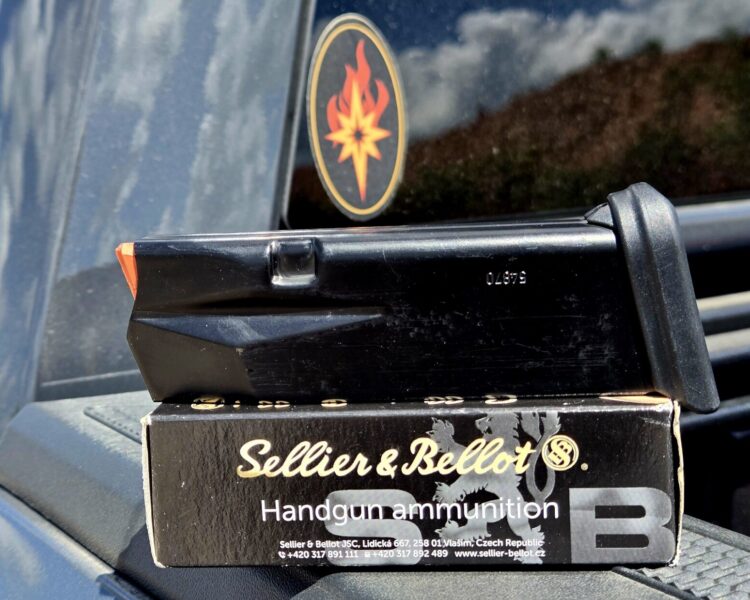
With only fifty rounds in hand, the disciplined shooter quickly learns that every trigger press must serve a purpose beyond simple repetition. Instead of burning through the box in a single standing session, break the allotment into micro-drills: five slow-fire shots from the holster to confirm grip and sight alignment, another five from the ready position to sharpen draw-to-first-shot speed, and a final five from cover to rehearse realistic movement. The remaining thirty-five rounds can then be parceled into “cold” runs—shooting a single, carefully called shot after each magazine change—so the shooter experiences the full stress inoculation of reloading under the clock without exhausting the supply. This deliberate rationing turns scarcity into a training asset, forcing the shooter to treat every cartridge like the last one they may ever fire.
For the broader Second Amendment community, the lesson is both practical and philosophical. When supply chains tighten or range fees rise, the ability to extract maximum skill from minimal resources becomes a quiet act of resilience. It also underscores why high-volume practice should never be confused with high-quality practice; fifty thoughtfully executed rounds can outpace five hundred rounds fired on autopilot. By publicizing these methods, instructors and range operators reinforce the idea that responsible gun owners adapt rather than complain, modeling the self-reliance that underpins the right to keep and bear arms. In the end, the fifty-round box is not a limitation—it is a reminder that freedom is preserved by those who train as though every shot counts.


