

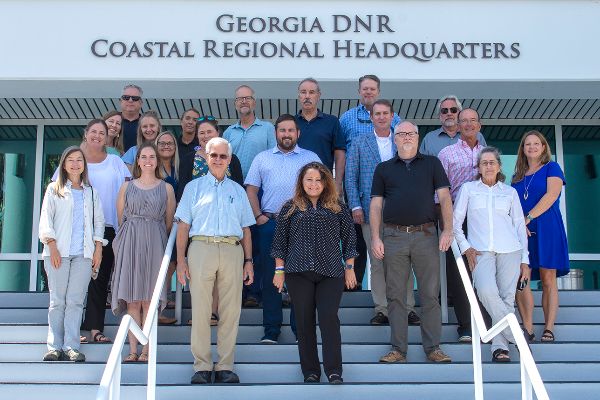
Georgia’s Coastal Advisory Council may sound like a sleepy bureaucratic panel, but the two open seats—one for a scientific-research organization and one for a state-government or regional-commission representative—will shape how the state balances conservation mandates with public access to tidal waters, marshes, and barrier islands. Those decisions directly affect where hunters can set decoys, where anglers can launch boats, and whether new “no-entry” zones quietly shrink the footprint available for waterfowling and saltwater fishing. Because the council advises the Department of Natural Resources on everything from oyster-bed management to shoreline-hardening permits, its recommendations often become the regulatory language that either preserves traditional uses or quietly fences them off under the banner of habitat protection.
For Second Amendment supporters, the stakes are straightforward: every new restricted-access polygon on a coastal map is another place where lawful carry, transport, and use of firearms for hunting or self-defense become logistically harder. The September 14, 2026 deadline gives Georgia gun owners and conservation-minded sportsmen a narrow window to place a pro-access voice on the council before the next round of coastal-use plans is drafted. If the seats go to applicants who view recreational shooting and hunting as competing, rather than complementary, uses of the resource, the result will be tighter seasonal closures, expanded buffer zones, and more “wilderness” designations that functionally disarm sportsmen the moment they step onto state tidelands.
The larger implication is that 2A advocacy cannot stop at the state capitol or the federal courthouse; it must follow the regulatory thread into every obscure advisory body that writes the fine print on maps and permits. By treating the Coastal Advisory Council as a legitimate Second Amendment battleground, Georgia sportsmen can ensure that science-based management and public access remain compatible rather than contradictory goals.


