

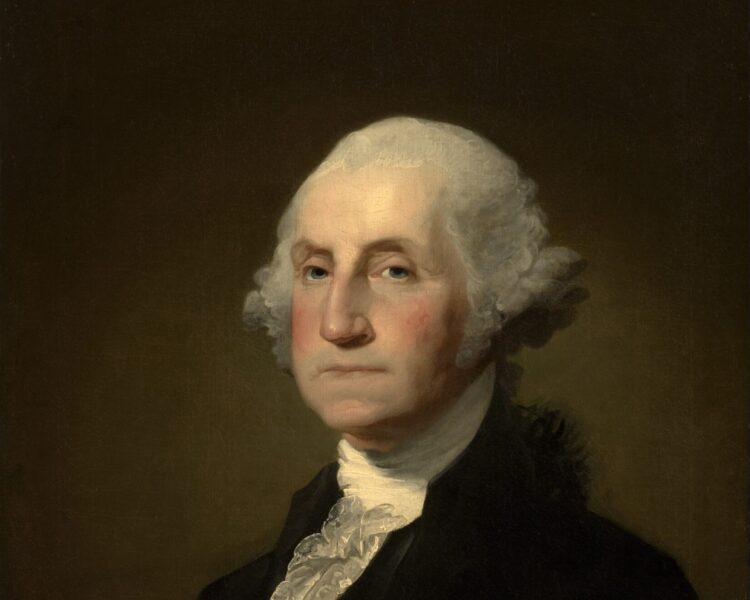
George Washington didn’t just command an army—he ran an intelligence network that turned the tide of the Revolution, and the same principles that made the Culper Spy Ring effective still echo in today’s debates over the Second Amendment. By recruiting ordinary citizens as covert operatives, Washington proved that decentralized, armed, and informed individuals could outthink and outlast a professional empire; the British never fully grasped how many of those “farmers” carried both muskets and encrypted messages. That fusion of private initiative and personal armament is exactly what the Founders later enshrined in the Bill of Rights: a population capable of both self-defense and self-governance, because the two are inseparable when liberty is on the line.
Fast-forward to the modern 2A community and the lesson is unmistakable—rights exercised in the dark are rights that survive in the light. Just as Washington’s spies needed both the physical means to protect their networks and the legal space to operate without prior restraint, today’s gun owners face parallel pressures: registration schemes, magazine bans, and “ghost gun” rules that function less as crime-fighting tools and more as intelligence-gathering mechanisms aimed at the very people the Constitution trusts to keep government honest. The Culper Ring succeeded because its members stayed armed, anonymous, and outside the enemy’s administrative net; the same posture remains the practical safeguard against any future regime that might decide an informed, equipped citizenry is the real threat.
Ultimately, Washington’s spymaster legacy reminds the firearms community that the Second Amendment is not merely about hunting or sport—it is the structural guarantee that the people retain the capacity for both resistance and resilience when information itself becomes a battlefield. Every time a new restriction is proposed under the banner of “public safety,” the historical echo is clear: those who control the flow of arms also seek to control the flow of knowledge, and the Founders designed the right to keep and bear arms precisely to prevent that monopoly.


