

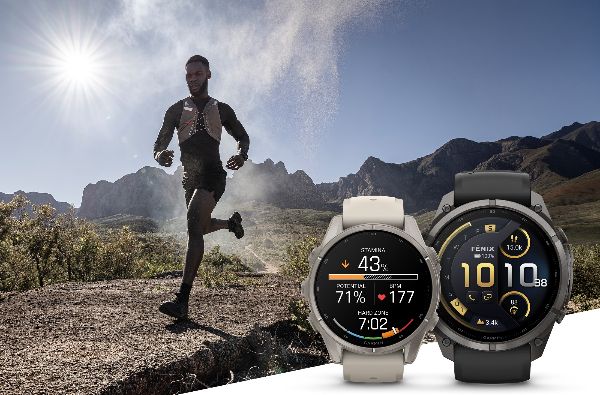
Garmin’s latest fēnix 9 and fēnix 9 Pro aren’t just incremental upgrades—they’re a direct response to the growing demand for watches that can keep up with the unpredictable realities of back-country training, long-range scouting, and the kind of extended off-grid travel that many Second Amendment enthusiasts treat as routine. The new stamina metrics and Epic activity grouping let shooters track multi-day rifle courses, back-to-back precision stages, or even a full weekend of field work without resetting the clock, while the titanium case and massive AMOLED screen on the Pro model finally deliver the daylight-readable, glove-friendly interface that serious outdoorsmen have been asking for. InReach satellite and LTE connectivity means that when cell towers disappear, the watch can still send an SOS or share a waypoint—capabilities that matter when you’re miles from pavement and the only backup is the sidearm on your hip.
What’s most interesting is how Garmin is quietly positioning the fēnix 9 series as the connective tissue between training and real-world preparedness. The improved navigation tools aren’t just for hikers; they’re for anyone who needs to move efficiently between known points under time pressure—whether that’s a multi-gun stage or a bug-out route you’ve rehearsed in your head for years. By baking satellite comms into a watch that already logs heart-rate variability, sleep, and recovery, Garmin is giving the 2A community a single device that can log range sessions, monitor physiological readiness for a hunt, and still function as a lifeline if everything else fails. That convergence of performance data and emergency comms is exactly why the fēnix 9 Pro is likely to become standard kit for serious shooters who treat preparedness as more than a slogan.


