

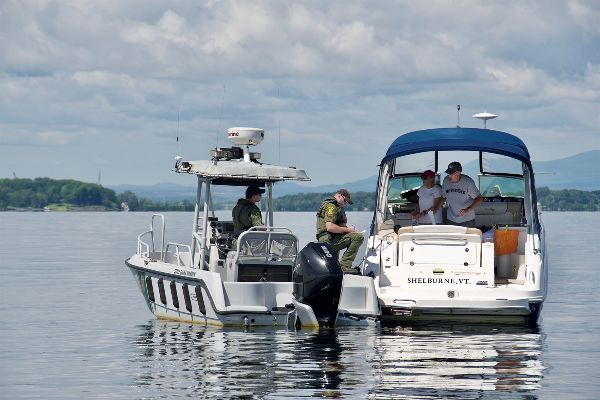
Vermont’s Operation Dry Water push over the holiday weekend is a textbook example of how state agencies use “safety” messaging to normalize expanded enforcement footprints on public waterways. While the stated goal—cutting alcohol- and drug-related fatalities—is hard to argue with, the partnership between game wardens, state police, and federal boating administrators quietly widens the net of compliance checks that can quickly morph into broader law-enforcement encounters. For Vermont’s boaters who also carry, that means an extra layer of scrutiny at boat ramps and on the water, where an otherwise lawful firearm can become the centerpiece of an unplanned detention if an officer decides to escalate a life-jacket citation into a consent search.
The data cited—alcohol and missing PFDs as leading killers—is accurate, yet it also underscores a deeper cultural disconnect: the same agencies that lecture the public on personal responsibility simultaneously treat every citizen as a potential violator until proven otherwise. That presumption runs counter to the constitutional baseline the 2A community defends daily in the woods, on the range, and now increasingly afloat. When game wardens already possess statutory authority to board vessels without warrants under certain administrative pretexts, any uptick in “targeted enforcement” weekends risks turning a Fourth of July cruise into an impromptu regulatory audit of both sobriety and firearms storage.
The practical takeaway for Vermont’s armed boaters is straightforward: heightened visibility equals heightened exposure. Carry your carry permit, stow firearms in compliance with both state and federal vessel rules, and treat every safety checkpoint as a potential test of composure and documentation. The holiday weekend may be marketed as a life-saving initiative, but it also doubles as a live-fire exercise in how regulatory momentum can quietly erode the practical exercise of constitutional rights long before any statute is formally changed.


