

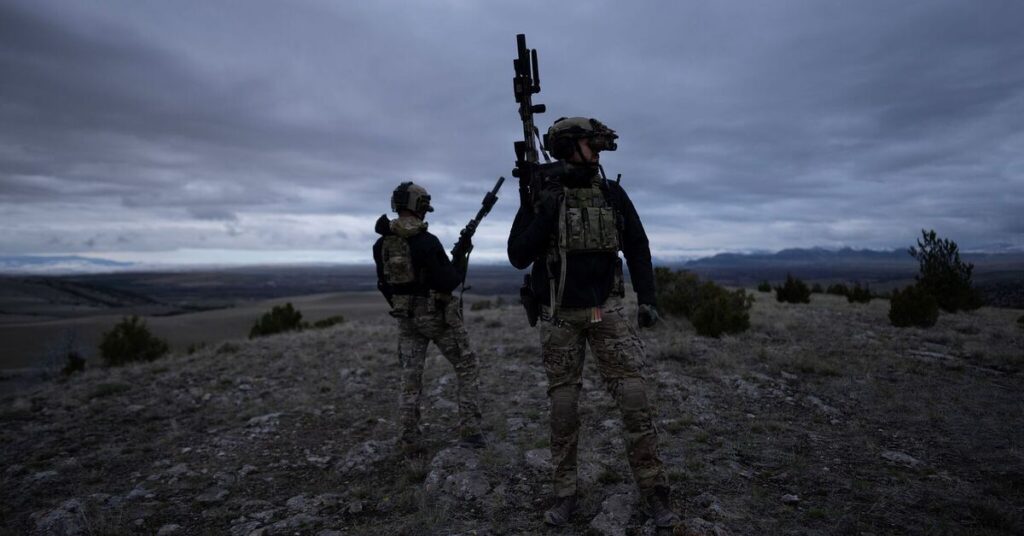
Galvion’s decision to embed power rails, data buses, and processing nodes inside the helmet shell itself is more than a weight-saving trick; it’s a deliberate move to make the warfighter’s head the central nervous system of the digital kill chain. By folding the electronics into the ballistic structure rather than bolting them on, the company is solving the age-old tension between protection and capability—something civilian shooters have wrestled with since red-dot sights first demanded batteries. The result is a platform that can natively host thermal fusion, real-time translation, drone video, and encrypted team comms without the snag hazards or signature penalties of external boxes, a development that will inevitably trickle into high-end civilian helmets and active-ear systems once the military validates the architecture.
For the broader Second Amendment community the implications are both technological and philosophical. Every gram shaved from a soldier’s kit is a gram that can be reallocated to more ammunition or better optics, reinforcing the principle that the individual remains the most lethal and adaptable node on the battlefield. At the same time, the same miniaturization curve that produced the CORTEX EVO is already driving civilian innovations in low-profile hearing protection, integrated ballistic eyewear, and even smart-range targets that talk back to your optic. When the military normalizes helmets that think, the civilian market receives both the proof-of-concept and the regulatory tailwind to adopt similar tools for home defense, competition, and emergency preparedness—another quiet affirmation that rights exercised by citizens and capabilities fielded by soldiers are two sides of the same technological coin.


