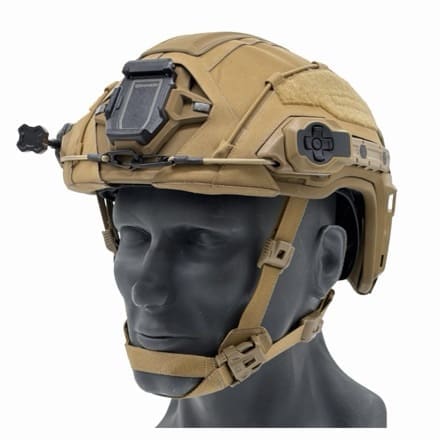
Galvion’s decision to unveil the HALO configuration of its Cortex EVO architecture at Eurosatory 2026 isn’t just another incremental helmet upgrade; it’s a deliberate step toward turning the individual warfighter into a self-contained, networked combat node. By embedding power, data, and processing directly into the headborne system, the company is collapsing the traditional distinction between “helmet” and “computer,” giving operators real-time sensor fusion, edge AI, and seamless C4I connectivity without relying on bulky external packs. For the 2A community, this matters because the same miniaturization and power-management breakthroughs that let soldiers carry less weight and make faster decisions will inevitably trickle into civilian protective and training gear—think smarter range-safety systems, integrated ballistic eyewear with heads-up data overlays, and lighter, more capable active-hearing protection that doesn’t sacrifice situational awareness.
What makes HALO particularly interesting is how it reframes the helmet from passive armor into an active platform for mission command at the lowest tactical level. Instead of waiting for higher-echelon assets to push information down, a squad leader wearing Cortex EVO with the HALO module can locally process drone feeds, share targeting data, and maintain comms even when satellite links are jammed. That distributed lethality model mirrors the decentralized, individual-responsibility ethos that underpins the Second Amendment: an armed citizenry that is informed, connected, and resilient rather than dependent on centralized infrastructure. As export-controlled military tech continues to spin off into the commercial sector, expect to see civilian versions of these integrated head systems appear in law-enforcement kits, competitive shooting rigs, and eventually everyday preparedness equipment—further blurring the line between “military-only” and “readily available to the people.”
The broader implication is that the future of personal defense will be as much about information dominance as it is about caliber or capacity. Galvion’s architecture shows that the next arms race isn’t just about bigger magazines or better optics; it’s about who controls the data flowing between helmet, weapon, and network. For those who value an armed populace capable of meeting 21st-century threats, that shift is both an opportunity and a warning: the same tools that make professional soldiers more lethal will also empower private citizens, provided regulatory and cultural barriers don’t artificially restrict access to the underlying technology. In short, Cortex EVO and its HALO variant are early indicators that the individual operator—whether soldier or citizen—is about to become dramatically more capable, and the 2A community should be watching these developments closely rather than dismissing them as “just another helmet.”