

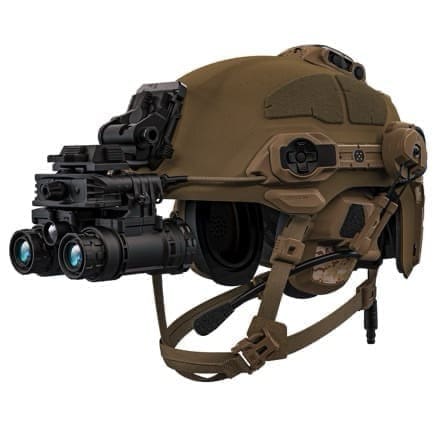
Galvion’s decision to frame the Cortex EVO not as another helmet but as an open “platform” is the real story here. By baking sensors, radios, power rails, and edge-computing nodes straight into the shell instead of bolting them on, the company has essentially turned every future soldier’s head into a modular data node—one that can accept third-party apps, new comms waveforms, or even civilian-market accessories without a factory rebuild. For the 2A community that already treats helmets, night-vision bridges, and rail-mounted electronics as everyday gear, this is a preview of what lawful gun owners may soon be able to spec onto their own kits once the same miniaturized components trickle into the aftermarket.
The timing matters. NATO’s fourteen-year procurement arc shows how long it takes for battlefield electronics to harden, lighten, and drop in price; once they do, the same supply chains that fed MRIs and smartphones into civilian hands will start feeding low-profile ballistic computers and wireless PTTs to anyone with an FFL or a credit card. That means the same integration lessons the military is learning—power budgeting, antenna placement, thermal rejection—will become dinner-table debate topics on gun forums years before the next generation of “smart” bump helmets hits the range. In short, Galvion isn’t just selling armor; it’s seeding an ecosystem whose civilian offshoots could redefine what counts as responsible, well-equipped self-defense long before any new legislation tries to catch up.


