

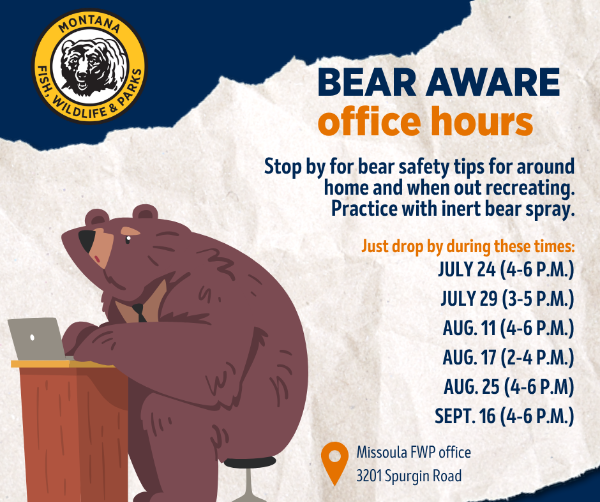
Montana’s decision to run recurring “bear aware” office hours in Missoula is more than a public-service announcement—it’s a tacit admission that the state’s expanding grizzly population is pushing people and bears into the same backyards, trailheads, and gravel roads. By handing out free, hands-on training with inert spray and real-time biology briefings, Fish, Wildlife & Parks is quietly normalizing the idea that Montanans must be ready to defend themselves on two feet or four. That message resonates far beyond the hiking community: it underscores why law-abiding citizens view bear spray as an essential tool, not a novelty, and why restricting access to effective deterrents—whether chemical or cartridge—runs counter to the lived reality of living among recovering megafauna.
For the 2A crowd, the program is a useful case study in how quickly a wildlife agency can shift from “trust the professionals” to “here’s the skill set; now carry it.” The same logic applies to defensive firearms. If the state concedes that residents need practical training to coexist with 600-pound predators, it becomes harder to argue that the same residents should be disarmed when the threat wears shoes instead of fur. The Missoula sessions also highlight an often-overlooked dividend of constitutional carry: the freedom to layer defenses—sidearm plus spray—without first seeking a permission slip from the very bureaucracy now urging self-reliance.
Ultimately, the bear-aware initiative is a small but telling sign that multiple-use landscapes demand multiple-use mindsets. Whether the encounter ends with a hiss of capsaicin or a controlled pair to the vitals, the principle is identical: the individual on the scene is the first responder. Montana’s decision to teach that principle in a government office, on weekday afternoons no less, quietly validates the broader argument that preparedness is not paranoia—it’s policy.


