

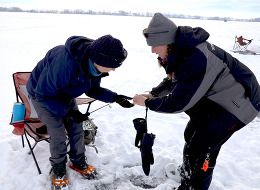
Montana’s ice fishing contest proposal is more than a seasonal scheduling exercise—it’s a quiet referendum on whether the state still trusts its citizens to manage their own outdoor traditions. By opening the 2026-2027 season to public comment, Fish, Wildlife & Parks is acknowledging that anglers themselves are the best stewards of the resource, a principle that echoes the same self-reliance the Second Amendment community has long defended. When regulators invite input instead of issuing edicts, they reinforce the idea that rights are exercised, not merely permitted, whether that right is keeping and bearing arms or dropping a line through the ice.
The practical stakes are straightforward: every approved derby funnels local dollars into rural economies, sustains bait shops and marina jobs, and keeps families on the water instead of glued to screens. Yet the same bureaucratic machinery that green-lights these events can just as easily throttle them with last-minute conditions or outright denials. For gun owners watching parallel “may-issue” permitting regimes in other states, the lesson is clear—participate early, document everything, and treat each public-comment window as a training ground for defending access to the outdoors. If the angling community stays silent, regulators will interpret that silence as consent for tighter control next season.
Ultimately, the fight over ice-fishing contests is a microcosm of the larger struggle to keep government from converting privileges into permissions. The August 24 deadline is not just about next winter’s tournaments; it’s a reminder that every outdoor pursuit—shooting, hunting, or fishing—survives only when citizens treat regulatory dockets like ballot boxes. Show up, speak up, and the ice stays open; stay home, and the gatekeepers decide who fishes and who doesn’t.


