

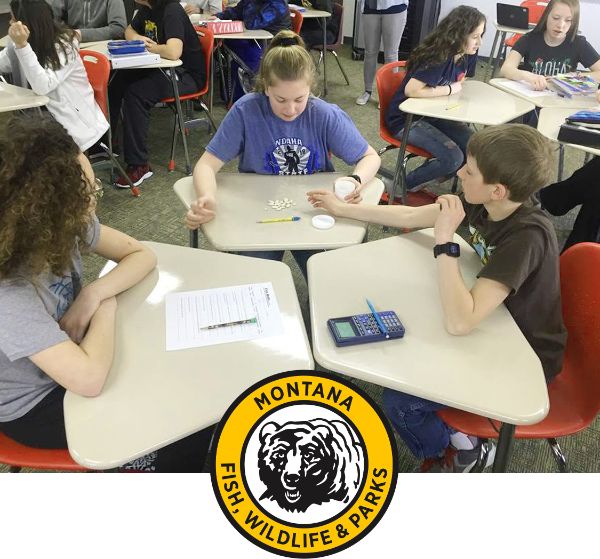
Montana’s Fish, Wildlife & Parks has quietly turned a classroom exercise into a master class in how government agencies can teach the next generation to count, manage, and ultimately value wild resources—an approach the firearms community should study closely. By letting kids simulate mark-recapture estimates with colored “fish,” the Fish Math program doesn’t just deliver math lessons; it plants the seed that healthy game populations are measurable, renewable assets worth stewarding. That same logic underpins every science-based argument sportsmen make when defending seasons, bag limits, and access on public land; if students internalize the method early, they’re far less likely to swallow anti-hunting narratives that treat wildlife as too fragile for any harvest.
The real payoff for Second Amendment advocates lies in the curriculum’s reach. Once Project WILD adopted the activity, the simulation is now exportable to classrooms nationwide, giving pro-hunting educators a ready-made tool to counter the emotional, anti-use messaging that often dominates environmental studies. Kids who have personally “tagged and released” plastic fish and then calculated a sustainable harvest number are primed to understand that regulated hunting is conservation, not contradiction. In an era when urban students rarely meet a game warden or see a harvest report, this kind of hands-on modeling quietly builds the cultural support that ultimately protects everything from hunting heritage to the right to keep and bear arms—because an informed electorate is far less likely to trade away either wildlife management traditions or constitutional freedoms on the altar of feel-good prohibition.


