

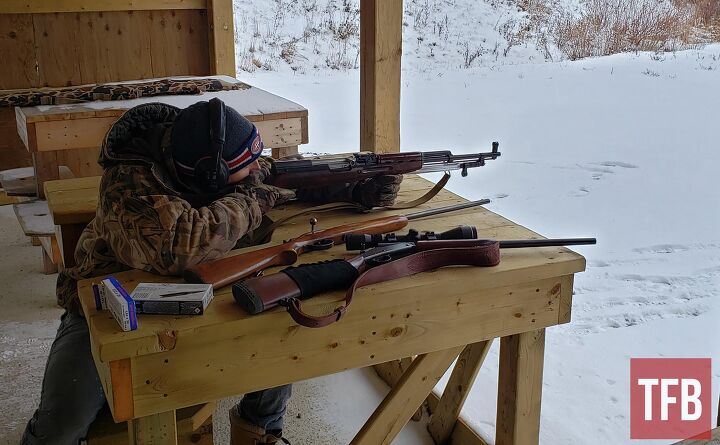
The best way I can think of answering this is by listing the pluses alongside the minuses, and there are quite a few of both. On the plus side, the SKS remains one of the most underrated bargains in the hunting world, especially for those who refuse to treat their deer rifle like a disposable fashion accessory. For under $500 you get a rugged, battle-proven semi-auto that cycles reliably with everything from soft Russian steel to premium hunting loads. Its 10-round fixed magazine is actually a feature in many states that still foolishly limit magazine capacity for hunting, and the rifle’s short length of pull and crisp iron sights make it surprisingly effective in thick timber where scoped bolt-actions become liabilities. The 7.62×39 round, while not a long-range thunderbolt, delivers more than enough energy for clean kills out to 200 yards on whitetail, hogs, or black bear, all while being far cheaper to feed than your average magnum.
Yet the SKS carries some very real drawbacks that explain why it never quite became the hunter’s darling the AR-10 crowd wants it to be. The rifle is heavy for its caliber, the trigger is pure Combloc mil-spec mush, and that iconic spike bayonet is about as useful in the whitetail woods as a participation trophy. Accuracy is adequate but rarely spectacular, and good luck finding a proper optics mount that doesn’t look like it was installed by a drunken Soviet conscript. Then there’s the “Fudd factor” itself. Mention an SKS at certain hunting camps and you’ll get the same condescending look normally reserved for someone showing up with a flintlock. The 2A community has largely split into tactical operators who view the SKS as a meme gun and purist hunters who still worship wood-stocked bolt actions from the 1950s. Both sides miss the point.
The SKS represents something deeper for those willing to look past the internet tribalism: a reliable, no-nonsense tool that bridges the gap between military surplus and practical field use without requiring a second mortgage. In an era where some gun owners treat firearms like luxury handbags, the SKS stands as a quiet rebuke, reminding us that effectiveness matters more than aesthetics and that the right to bear arms includes the right to hunt efficiently without begging permission from the latest trend. For the pragmatic shooter who values capability over cool factor, the SKS isn’t just a budget option; it’s a statement that good enough has been good enough for generations of free men, and it still is.


