

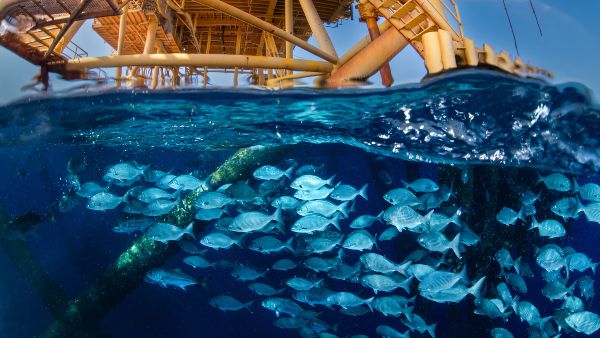
The Gulf of Mexico’s aging offshore platforms are quietly becoming the backbone of one of the most successful artificial-reef programs in the world, and the same engineering that once pumped oil now shelters snapper, grouper, and the divers who chase them. Rigs-to-Reefs turns decommissioned steel into permanent habitat, cutting taxpayer costs for reef construction while giving coastal economies a new draw for fishing and diving charters. For the firearms community the parallel is obvious: just as an obsolete rig can be repurposed into a thriving ecosystem instead of being scrapped, a lawfully owned firearm can be transformed from a perceived liability into a tool for food, recreation, and self-reliance when the culture around it is constructive rather than punitive.
That mindset matters because the same regulatory reflex that once demanded every platform be towed ashore and cut apart is now echoed in calls to melt, register, or restrict the tools millions of Americans use for sport and defense. Data from Louisiana and Texas show that each reefed structure supports tens of thousands of pounds of biomass and millions in annual tourism revenue; the lesson for 2A advocates is that measurable, positive outcomes beat abstract fears every time. When gun owners document range clean-ups, youth safety classes, and hunter-led conservation projects with the same rigor the reef program uses to count fish, the narrative shifts from “dangerous objects” to “valued infrastructure.”
Ultimately, both stories hinge on stewardship over symbolism. Retiring a rig without destroying its utility mirrors retiring a firearm without erasing its purpose; both keep skilled Americans employed, coastal and rural economies alive, and the public square focused on results rather than rhetoric. The rigs-to-reefs model proves that yesterday’s industrial asset can become tomorrow’s conservation win—exactly the kind of pragmatic repurposing the firearms community should champion when critics demand we simply make things disappear.


