

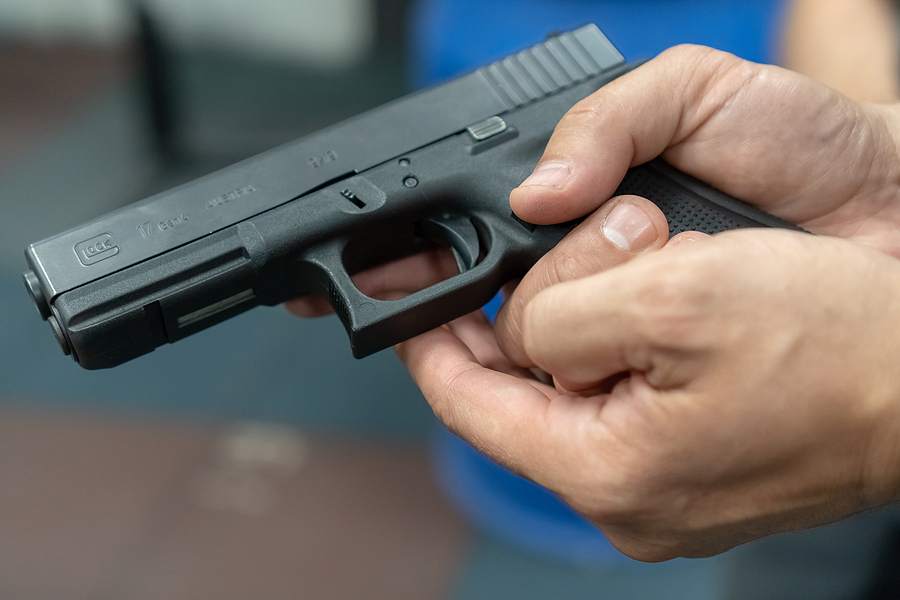
The notion that gun ownership can remain a comforting abstraction rather than a concrete act reveals a deeper cultural divide: for many on the left, the Second Amendment functions more as a political talking point than a practical safeguard. When the author admits they may “keep putting off actually buying one,” they expose how symbolic attachment to the right to keep and bear arms often substitutes for the discipline, training, and responsibility that actual ownership demands. This mindset treats the Constitution’s protections as optional lifestyle accessories—useful for virtue-signaling in certain circles but easily deferred when real commitment is required.
For the 2A community, this hesitation underscores why rights must be exercised, not merely endorsed. Legal recognition alone does not preserve liberty; only millions of trained, armed citizens create the credible deterrent that keeps government overreach and criminal predation in check. The author’s reluctance also highlights a recurring pattern: progressive rhetoric frequently champions “rights” in theory while discouraging the very proficiency and cultural normalization that make those rights durable. In contrast, the pro-2A world emphasizes ongoing practice, marksmanship, safe storage, and community education precisely because a right unused atrophies.
Ultimately, the piece serves as an unintended reminder that the Second Amendment’s strength lies in its daily, tangible application by ordinary people rather than in abstract approval from those who view firearms as optional political ornaments. When ownership stays symbolic, it cedes cultural ground to those who would prefer an unarmed populace reliant on state protection. The 2A community’s response is straightforward: buy the gun, train with it, and treat the right as a living responsibility instead of a deferred talking point.


