

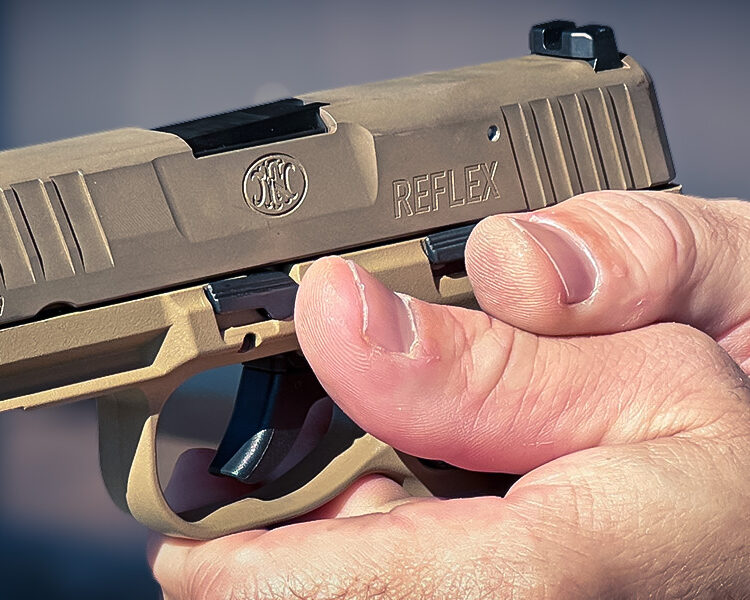
FN’s decision to expand its concealed-carry offerings with the Reflex, 309, and 509 series is more than a product refresh—it’s a calculated response to the post-Bruen surge in everyday carry. Where the company once leaned almost exclusively on duty-grade pistols, it now recognizes that the fastest-growing segment of the market is the law-abiding citizen who wants a single, reliable platform that can transition from range day to appendix carry without compromise. The Reflex, with its slim 1-inch profile and optics-ready slide, is clearly engineered to compete in the micro-compact space dominated by the Hellcat and P365, while the 309 and 509 retain the modularity and optics ecosystem that duty users already trust. By offering three distinct footprints under one brand umbrella, FN is betting that shooters will value consistency in controls, holsters, and spare parts over the temptation to mix-and-match across competitors.
For the 2A community, this matters because it signals that even legacy defense contractors are now tailoring products to the individual-rights era rather than solely to institutional contracts. The optics-ready geometry across the lineup means that red-dot proficiency—once the province of competition or SWAT teams—is now accessible to the average permit holder, raising the baseline of defensive marksmanship. At the same time, FN’s decision to keep these pistols optics-ready but not optics-mandated respects the millions of carriers who still prefer irons or suppressor-height night sights, preserving choice in a market that sometimes pushes one-size-fits-all solutions. The net effect is a quiet but unmistakable endorsement of the idea that the right to keep and bear arms includes the right to modern, purpose-built tools that fit real-world civilian needs rather than bureaucratic checklists.
Ultimately, FN’s concealed-carry push underscores a broader industry shift: the constitutional carry wave is reshaping product road maps faster than legislation ever did. When a manufacturer with FN’s NATO pedigree invests engineering hours in sub-two-pound pistols with 15-round capacities and crisp triggers, it validates the notion that the Second Amendment is not a historical artifact but a living driver of innovation. For carriers, that translates into more options, better ergonomics, and—most importantly—confidence that the tools they stake their lives on were designed with their specific use case in mind, not as an afterthought to a government contract.


