

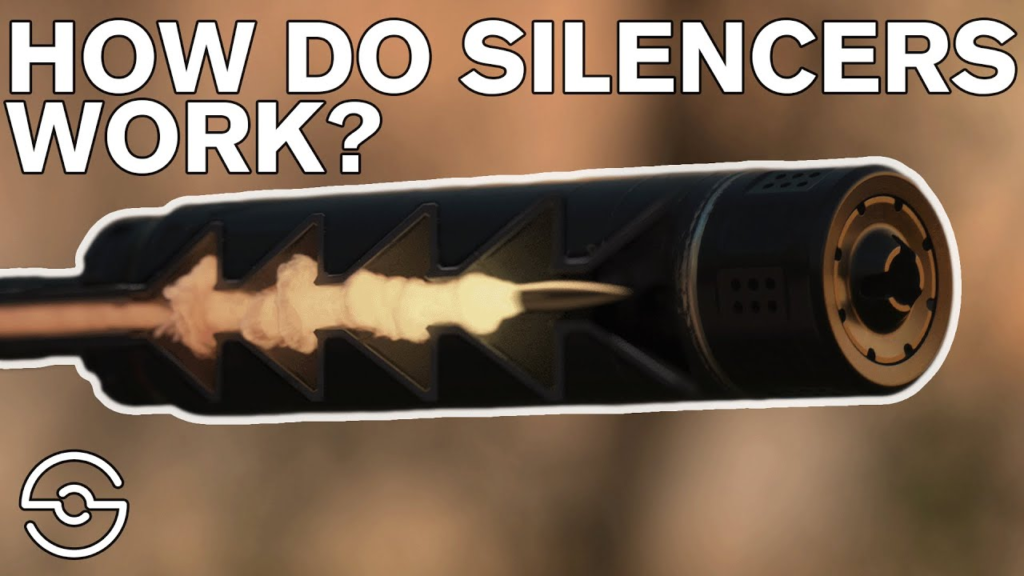
If you’ve ever run a traditional suppressor on an AR-15 past the first magazine, you already know the sting—literally. That familiar back-pressure pushes hot gas, carbon, and unburned powder straight into your face, eyes, and lungs while also hammering the bolt carrier group with extra force. Flow-through designs flip the script by routing gas forward instead of letting it rebound, which cuts down on the blowback that traditional cans simply can’t avoid. The result isn’t just a cleaner shooter; it’s a rifle that stays softer on the shoulder, runs cooler, and keeps optics and internals cleaner over long strings of fire.
For the 2A community this isn’t just a technical footnote—it’s a practical upgrade that makes suppressed rifles more usable in training, competition, and home-defense scenarios where repeated shots matter. Traditional suppressors still deliver excellent sound reduction, but the added gas management headaches can turn an otherwise pleasant range day into an endurance test, especially for new shooters or those with respiratory sensitivities. Flow-through technology lowers that barrier without sacrificing the core benefit of hearing protection, which in turn encourages more people to exercise their rights responsibly and frequently. As more manufacturers refine these designs, the suppressed rifle stops being a niche toy and becomes a standard tool that aligns with the everyday carry and preparedness mindset the community values.
The broader implication is that innovation in the suppressor space directly strengthens the case for removing regulatory friction around these devices. When a can makes a rifle objectively more shootable instead of trading one problem for another, it undercuts the tired narrative that suppressors are exotic accessories for the few. That shift matters when legislators and regulators look at the data: lower back-pressure means less exposure, faster follow-up shots, and rifles that stay in the fight longer. In short, flow-through suppressors don’t just improve the shooting experience—they quietly reinforce why the right to keep and bear arms includes the right to do so effectively and comfortably.


