

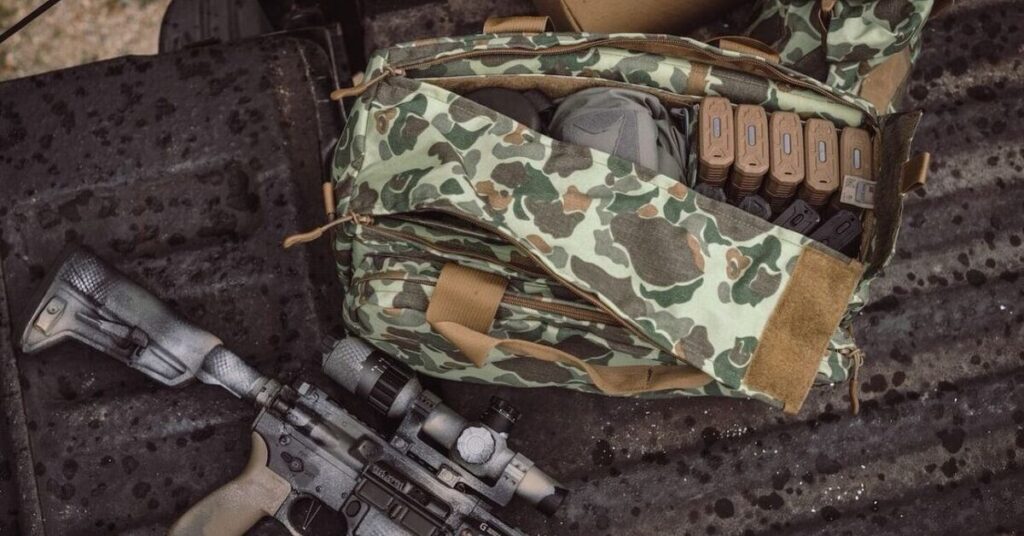
FirstSpear’s decision to reissue the five-color Frogskin pattern isn’t just a nostalgic flex; it’s a deliberate reclamation of a camouflage that once defined the Marine Raiders’ island-hopping campaign in the Pacific. By reviving a pattern that was quietly shelved after 1944, the company is reminding the firearms community that American martial heritage isn’t confined to the M1 Garand or the Thompson—sometimes it’s literally printed on the fabric that protected those weapons and the men who carried them. In an era when commercial camo is dominated by pixelated abstractions and licensed “tacti-cool” prints, Frogskin stands out as an unapologetic nod to the era when the Second Amendment was exercised by citizen-soldiers who needed concealment as badly as they needed firepower.
For the 2A crowd, the collection’s timing is instructive. As states continue to debate what constitutes “military-style” gear and some retailers shy away from anything overtly tactical, FirstSpear is betting that a pattern old enough to predate the modern assault-weapon panic can still serve practical field use without triggering the same regulatory or cultural friction. The five-color scheme’s organic, almost hand-painted look also sidesteps the sterile, high-tech aesthetic that often draws scrutiny; it looks more like something a Depression-era Marine would have worn than something a modern SWAT team might deploy. That visual distance may prove useful for civilians who want functional concealment for training, hunting, or simply preserving the aesthetic lineage of the American fighting man without inviting the “why do you need that?” question.
Beyond the fabric itself, the re-release underscores a broader cultural shift inside the firearms community: an appetite for provenance over novelty. Where once every new plate carrier or chest rig had to boast the latest laser-cut laser, today’s enthusiasts are increasingly willing to pay for patterns and hardware that trace a direct line to the Greatest Generation. FirstSpear’s Frogskin line quietly argues that the right to keep and bear arms is inseparable from the right to keep and bear the material culture that once armed a free people—and that sometimes the best way to honor that lineage is to wear it again.


