

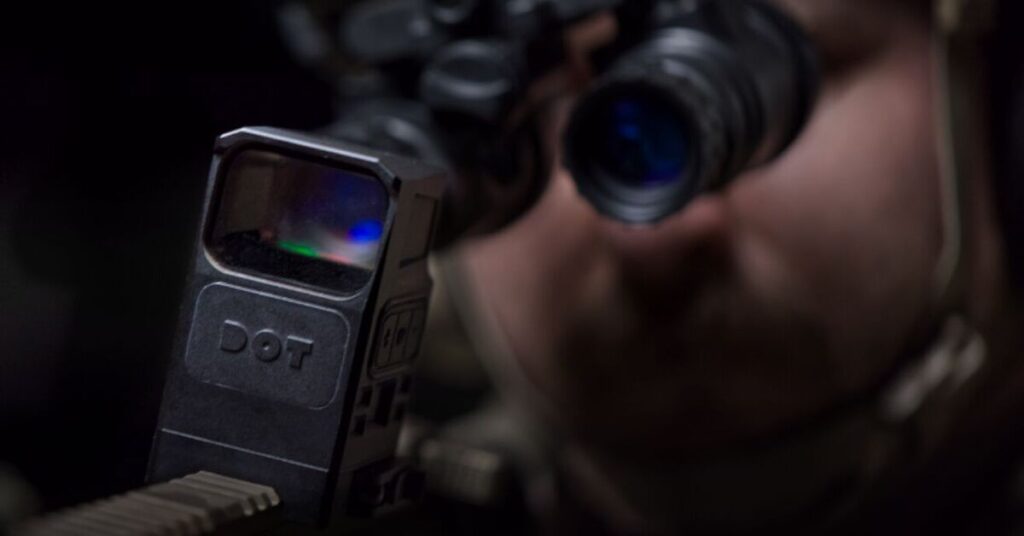
Dynamic Optronic Technologies slipped onto the radar at SHOT Show this year with a holographic optic that immediately stood out for its clean glass, crisp reticle, and refreshingly compact footprint—yet somehow escaped the usual post-show coverage blitz. Now that the company has rolled out an FDE variant, the sight feels less like a prototype and more like a deliberate play for the duty, competition, and everyday-carry markets that increasingly favor earth-tone gear over black. What makes the debut interesting isn’t just the color option; it’s the signal that another optics maker is betting on domestic production and modular mounting solutions at a time when supply-chain fragility and import tariffs remain live political issues for shooters.
For the 2A community, every new domestic optic brand is another brick in the wall against regulatory end-runs that target “foreign-made” components or attempt to strangle accessory availability through quiet compliance pressure on overseas suppliers. DOT’s timing also underscores how quickly the red-dot/holo space is maturing beyond the two or three legacy names that once dominated trade-show aisles; competition at this level tends to drive faster firmware updates, tougher durability claims, and—crucially—price competition that keeps quality sights within reach of first-time buyers building defensive rifles. If the company can sustain consistent quality and an open-source-friendly mounting ecosystem, it won’t just sell units—it will help normalize the idea that American shooters can spec an entire defensive or competition rifle with domestically designed glass from emitter to mount.
The broader implication is cultural as much as commercial: when new players enter the optic market with finishes that match the growing FDE/multicam ecosystem, they reinforce the notion that personal defense tools are legitimate lifestyle gear rather than fringe hobby items. That normalization matters when legislators look for soft targets in the culture war; an accessory that shows up on competition belts, ranch rifles, and home-defense carbines alike becomes harder to marginalize. DOT’s understated launch may have been an accident of the coverage cycle, but the company’s quick pivot to an in-demand colorway suggests they understand that in today’s firearms market, speed to iteration and visual integration with the end-user’s kit can be as decisive as raw optical performance.


