

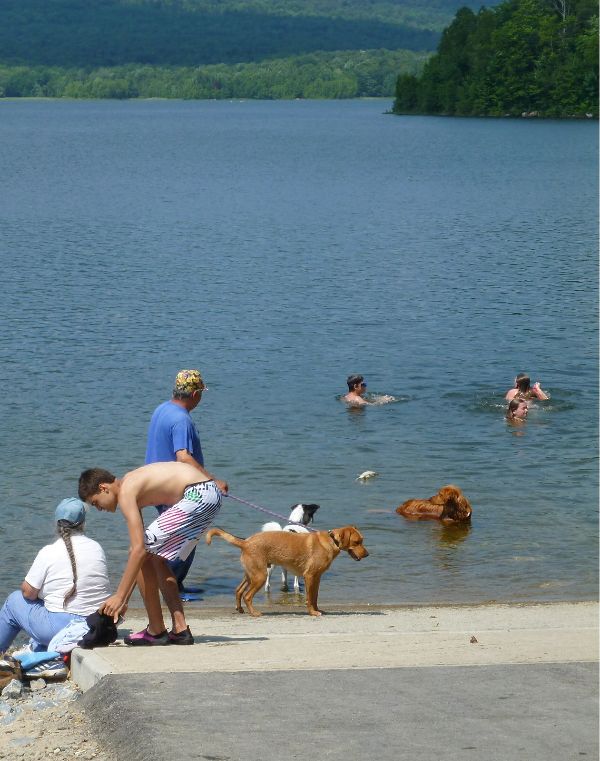
Vermont’s decision to crack down on campfires and swimming at its 205 fishing access points isn’t just housekeeping—it’s a textbook case of how incremental land-use rules can quietly shrink the practical footprint of public spaces that gun owners rely on for everything from informal range days to back-up hunting camps. When regulators frame these restrictions as simple safety measures, they rarely acknowledge the downstream effect: fewer legal places to stage a lawful activity that might involve a firearm, whether it’s sighting in a rifle before deer season or teaching a new shooter the basics away from prying eyes. The department’s promise of “strict enforcement” and the call to rat on neighbors through Operation Game Thief only tightens the surveillance net around everyday outdoor behavior, a pattern 2A advocates have watched migrate from the firearms counter to the trailhead.
The real story isn’t the prohibition itself; it’s the precedent. Once a state claims plenary authority to micromanage behavior on parcels purchased with sportsmen’s dollars, the same logic can later justify time-of-day restrictions, caliber limits, or outright carry bans under the banner of “protecting the resource.” Vermont’s fishing access areas sit on a patchwork of state, federal, and private in-holdings; if enforcement officers begin treating every angler with a sidearm as a presumptive violator, the chilling effect on lawful carry will be immediate and measurable. For the 2A community, the takeaway is straightforward: every new layer of administrative control over public land is another data point in the larger argument that rights exercised only where government feels comfortable are rights already half surrendered.


