

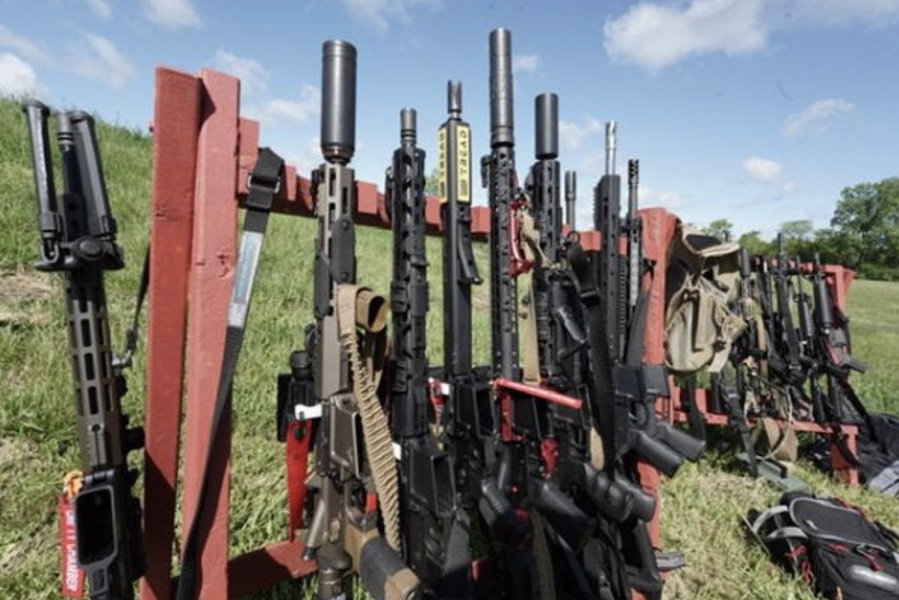
Everytown’s latest report is less a serious policy document than a rebranded piece of agitprop that recycles the same tired claim that the AR-15 is uniquely dangerous because of its “military features.” What’s new is the packaging: instead of pushing another assault-weapons ban that polls poorly, the group is now framing the rifle as a public-health menace whose very existence justifies expanded red-flag laws, insurance mandates, and corporate pressure on manufacturers. That shift reveals a calculated pivot—admit that outright prohibition is a political loser, then chip away at ownership through regulatory attrition that sounds more technocratic than ideological.
For the 2A community the message is clear: the battlefield has moved from the legislative floor to the regulatory agencies, insurers, and financial institutions that can achieve de-facto bans without ever passing a statute. Every new “study” like this one supplies talking points for banks to restrict merchant accounts, for insurers to jack up liability premiums, and for state attorneys general to threaten civil actions. The practical effect is that defending the AR-15 now requires not only winning elections but also monitoring and litigating an alphabet soup of federal and state rules that treat the rifle as a presumptive threat rather than Constitutionally protected arms.
The deeper implication is that Everytown has accepted the political reality that millions of lawfully owned AR-15s are not going away by legislative fiat; their new strategy is therefore to make ownership so bureaucratically costly and socially radioactive that attrition does the work statutes cannot. That means the 2A response must expand beyond “shall not be infringed” rhetoric to include sustained challenges under the Administrative Procedure Act, state preemption statutes, and the First Amendment issues raised when government actors collude with private actors to suppress a lawful product. In short, the war on the AR-15 has not ended—it has simply relocated to the fine print.


