

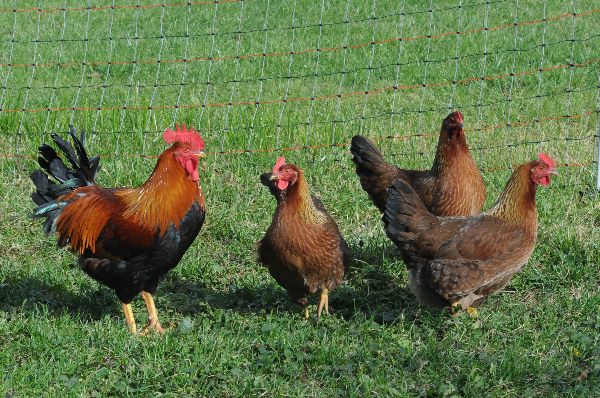
Electric fencing might sound like a quaint farm hack, but for anyone who keeps poultry it’s become the difference between a thriving flock and nightly losses to four-legged opportunists. Vermont’s wildlife officials aren’t pushing a gimmick; they’re acknowledging that once predators learn chickens are an easy buffet, conventional barriers rarely reset that behavior. The real lesson for the 2A community is that layered, proactive defense—whether it’s electrified netting around a coop or a legally carried sidearm on rural property—beats reactive scrambling after the damage is done. Comeau’s advice to “implement protection before predators discover chickens” mirrors the timeless principle that deterrence works best when it’s already in place, not when the threat is already inside the wire.
That same mindset explains why millions of Americans still choose to own firearms even in low-crime areas: the tool itself doesn’t create the problem, but its absence can turn a manageable risk into a permanent loss. Just as an electric fence teaches a bear to look elsewhere without ever firing a shot, responsible gun ownership functions as both visible deterrent and last-line insurance. Data from wildlife agencies and farm bureaus show that operations using multi-species predator control—fencing plus guardian dogs plus, where legal, on-site firearms—suffer dramatically lower depredation rates than those relying on a single method. The implication is straightforward: rights and tools that let citizens harden soft targets aren’t luxuries; they’re the rural equivalent of an insurance policy that pays out by preventing the claim in the first place.
Critics who dismiss such preparations as paranoia ignore the daily calculus facing anyone living outside city limits. A single bobcat or coyote can wipe out months of egg production in one night, and the same calculus scales up when human predators replace wildlife ones. The Vermont guidance quietly validates what Second Amendment advocates have long argued: the right to keep and bear arms exists alongside every other lawful means of self-reliance, from livestock fencing to home hardening. In a world where government biologists openly recommend electrified barriers because lethal threats are real and recurring, the parallel case for an armed citizenry becomes less theoretical and more like common-sense infrastructure.


