

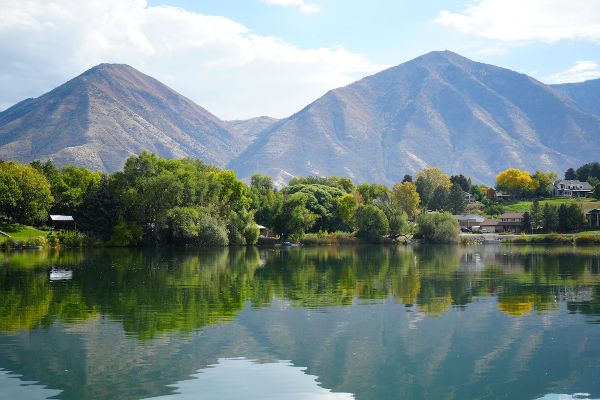
Every time a hunter or angler buys a Utah license, they’re not just paying for the privilege to pursue game—they’re directly bankrolling the very landscapes that sustain those populations for generations. The Habitat Council’s decision to drop $3.4 million into 71 projects, from polishing up Canyon View Park Pond to expanding mule deer range across the state, is a textbook example of how the Pittman-Robertson and Dingell-Johnson models turn user fees into tangible conservation wins without a dime of general-tax revenue. That self-funded loop is precisely why the firearms and hunting community can credibly claim the moral high ground when anti-hunting voices try to paint license buyers as exploiters rather than stewards.
For Second Amendment advocates, the story carries an even sharper edge: these habitat dollars flow from the same demographic that buys the overwhelming majority of firearms and ammunition in the state. When the DWR earmarks money for mule-deer migration corridors or WMA infrastructure, it’s reinforcing the economic and ecological argument that lawful gun owners are indispensable to wildlife management. Lawmakers watching shrinking general-fund budgets would do well to notice that the people who exercise their right to keep and bear arms are also the ones quietly writing the checks that keep Utah’s wild places productive—proof that the right to bear arms and the right to hunt are two sides of the same conservation coin.
The ripple effects extend beyond this year’s projects. Healthy habitat means stable game populations, which in turn sustain license sales, Pittman-Robertson apportionments, and the political clout that comes with a robust, self-financed constituency. In an era when some states flirt with diverting sportsmen’s dollars to non-hunting priorities, Utah’s transparent allocation sends a clear message: keep the system intact, and the firearms community will continue delivering both the revenue and the political will to protect access to public lands and the constitutional rights that make hunting possible in the first place.


