

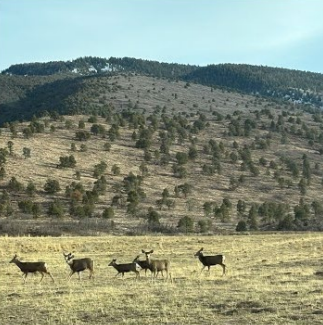
Utah’s Division of Wildlife Resources just wrapped up another banner year of habitat work, pouring $55 million into 133 projects that touched more than 114,000 acres and brought in 49 partners. The headline acquisition of the Cook Wildlife Management Area in Daggett County, paired with broad watershed restoration, isn’t just good news for mule deer—it’s a textbook example of how active land stewardship keeps hunting traditions alive. When agencies and private partners invest in forage, water, and cover, they’re also investing in the future of public-land hunting, the very activity that keeps the Second Amendment relevant in the daily lives of millions of Americans.
For the 2A community, these numbers matter because habitat equals access. Every restored acre that holds more deer means another reason for families to buy tags, sight-in rifles, and pass on the outdoor heritage that turns abstract constitutional rights into lived experience. The $55 million figure also underscores a quiet truth: when wildlife agencies deliver measurable results on the ground, they strengthen the political case for continued public access and multiple-use management instead of the lock-it-up-and-throw-away-the-key approach favored by some preservationist groups. In short, habitat work like Utah’s is conservation in its original, pro-hunter sense—sustainable use that keeps both game populations and shooting sports thriving.
The bigger implication is that sportsmen and sportswomen remain the most reliable funders and advocates for actual habitat improvement. License fees, excise taxes on firearms and ammo, and direct partnerships like the ones that produced the Cook WMA are what turn policy into dirt under boots. When the 2A community sees agencies spending real money to grow deer instead of just talking about “connectivity corridors,” it reinforces the argument that responsible gun owners are conservation’s most consistent allies. Utah’s FY25 results are therefore more than a wildlife success story; they’re fresh evidence that the same people who defend the right to keep and bear arms are also the ones ensuring there’s still game to hunt on public land.


