

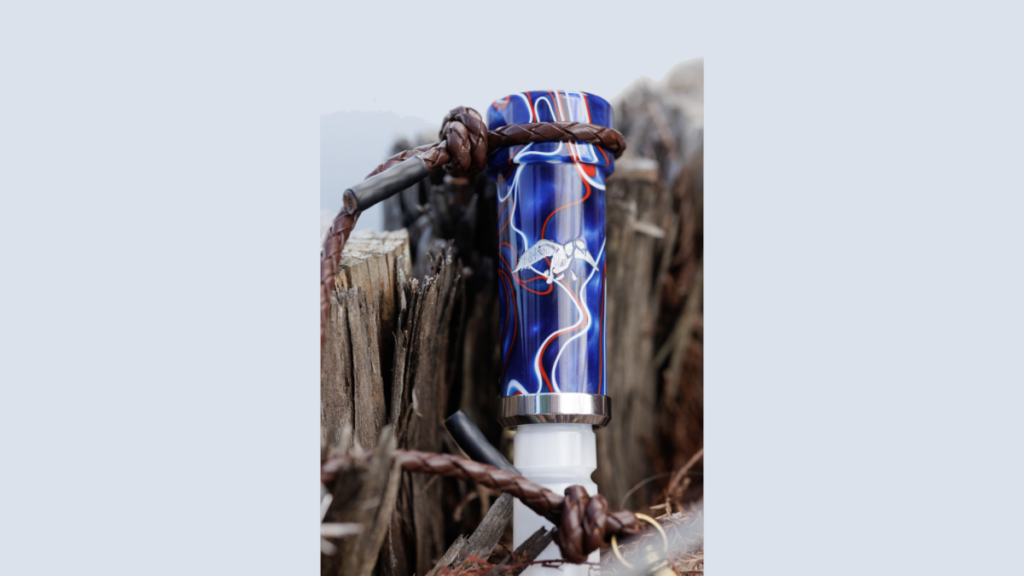
Duck Commander’s decision to cap the Commander Cut at just 50 units isn’t merely a marketing stunt—it’s a deliberate nod to the kind of scarcity that turns a functional tool into a cultural artifact. In an era when mass-produced imports flood the waterfowl market, this tiny run of hand-finished, patriotic calls reminds hunters that craftsmanship and national pride still command a premium. For Second Amendment advocates, the symbolism is unmistakable: the same constitutional principles that protect the right to keep and bear arms also safeguard the traditions of self-reliance and outdoor heritage that Duck Commander embodies.
Beyond the collector appeal, the timing—tied to America’s 250th anniversary—underscores how deeply firearms culture and hunting culture are intertwined. Every time a limited-edition call like this sells out in hours, it sends a quiet but unmistakable message to legislators and activists who would prefer to see both traditions fade: demand for these symbols of freedom isn’t waning, it’s intensifying. The Commander Cut therefore functions as more than a duck call; it’s a tangible reminder that the communities who value the Second Amendment also steward the land, pass down skills across generations, and refuse to let either be legislated into irrelevance.


