

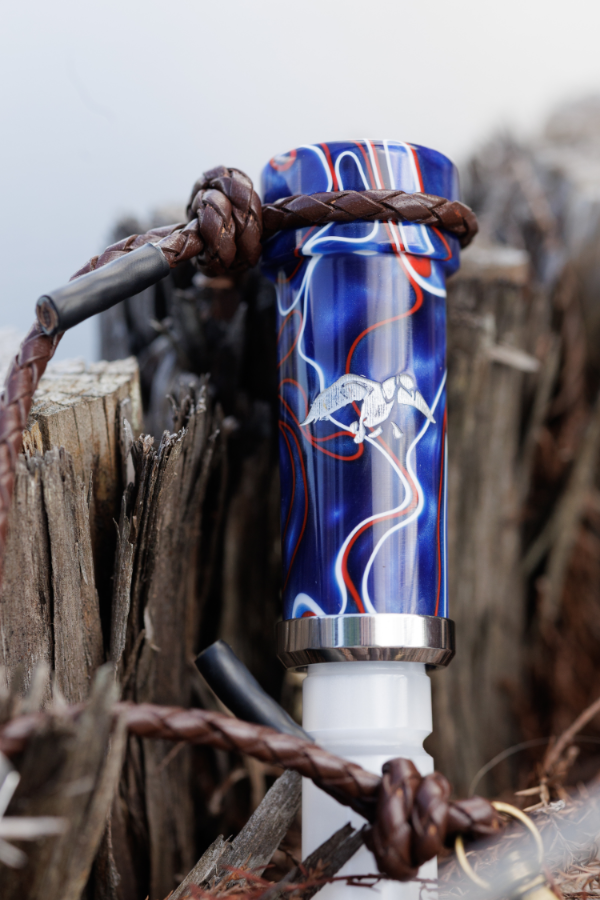
Duck Commander’s decision to cap the Commander Cut: America 250 at just fifty pieces isn’t merely a marketing flourish; it’s a deliberate statement about scarcity in a market where mass-produced imports dominate shelf space. By marrying red-white-and-blue aesthetics to a proven, high-performance reed assembly, the company underscores that American-made craftsmanship still commands a premium—especially when the item doubles as both functional tool and heirloom. For Second Amendment advocates, the symbolism is unmistakable: a duck call celebrating the nation’s 250th birthday quietly affirms that the right to keep and bear arms extends to the tools of the hunt that helped shape frontier independence.
Beyond the patriotic trim, the limited run highlights how small-batch manufacturing can insulate niche brands from regulatory and supply-chain pressures that larger conglomerates face. With only fifty units slated for direct-to-consumer sale, Duck Commander sidesteps big-box distribution choke points that sometimes invite additional scrutiny or inventory restrictions. That direct channel also lets enthusiasts acquire a tangible reminder that waterfowling heritage and constitutional principles remain intertwined—each pull of the call echoing both a centuries-old tradition and a modern assertion of individual liberty.
For the broader 2A community, the release serves as a timely reminder that cultural touchstones matter as much as legislative victories. While courtrooms and capitols grab headlines, everyday artifacts like a limited-edition duck call reinforce identity and continuity for the next generation of sportsmen and sportswomen. In an era when legacy media often portrays firearms culture as monolithic or outdated, Duck Commander’s micro-run demonstrates that innovation, quality, and unapologetic Americana can coexist—proof that the right to bear arms is exercised not only at the range or in the field, but also in the marketplace choices that sustain domestic industry.


