

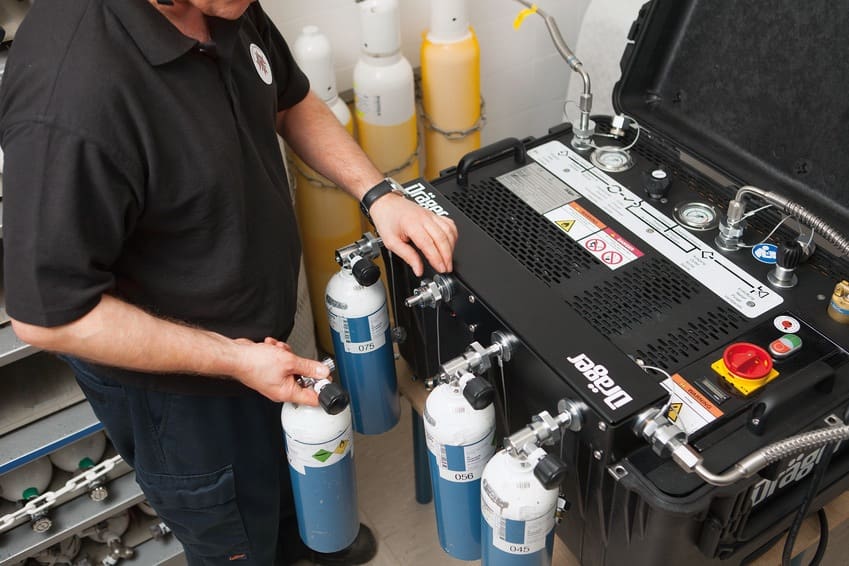
The Dräger DOB 200 ECO’s addition to the Authorized for Navy Use list isn’t just another bureaucratic checkbox—it’s a quiet reminder that compact, high-pressure oxygen systems are already trusted in the most demanding shipboard and expeditionary environments, the same kind of gear that civilian shooters and preppers have long eyed for their own remote or off-grid needs. When the Navy green-lights a unit that can safely cram 200-plus bar of breathing gas into cylinders inside tight compartments, it validates the engineering that keeps divers, aviators, and now land-based operators supplied without hauling massive shore-side plants. That same reliability translates directly to the 2A world: the ability to maintain independent breathing apparatus, emergency medical kits, or even specialized gas systems for training and survival without depending on centralized infrastructure that could be restricted or rationed in a crisis.
For Second Amendment advocates watching the slow creep of regulatory control over everything from primers to medical oxygen, this listing quietly underscores a larger point—once a technology proves itself rugged enough for joint-force use, it becomes harder for civilian agencies to argue that the same hardware is inherently too dangerous for responsible private ownership. The DOB 200 ECO’s compact footprint and automated safety interlocks show that high-pressure gas handling doesn’t have to mean industrial-scale facilities; it can be managed responsibly at the individual or small-team level. That precedent matters when debates arise over cylinder ownership, compressor regulations, or the right to maintain life-support equipment in remote or austere conditions.
Ultimately, the Navy’s stamp of approval accelerates a quiet diffusion of capability from the fleet to the field and, eventually, to civilians who value self-reliance. Whether the use case is tactical medicine, high-altitude training, or simply keeping a personal oxygen cache ready for natural disasters, the underlying message is consistent: gear proven under military scrutiny strengthens the argument that law-abiding citizens can—and should—be trusted with the tools of independence.


